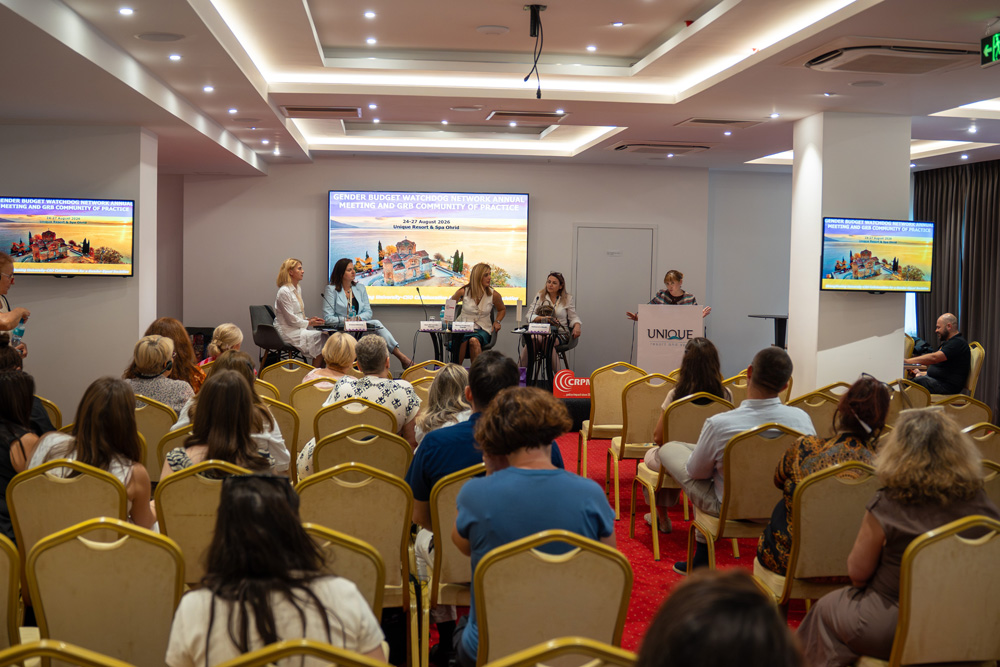
24-27 August 2026
Unique Resort & Spa Ohrid
Strengthening University-CSO Collaboration for a Gender-Equal Societies
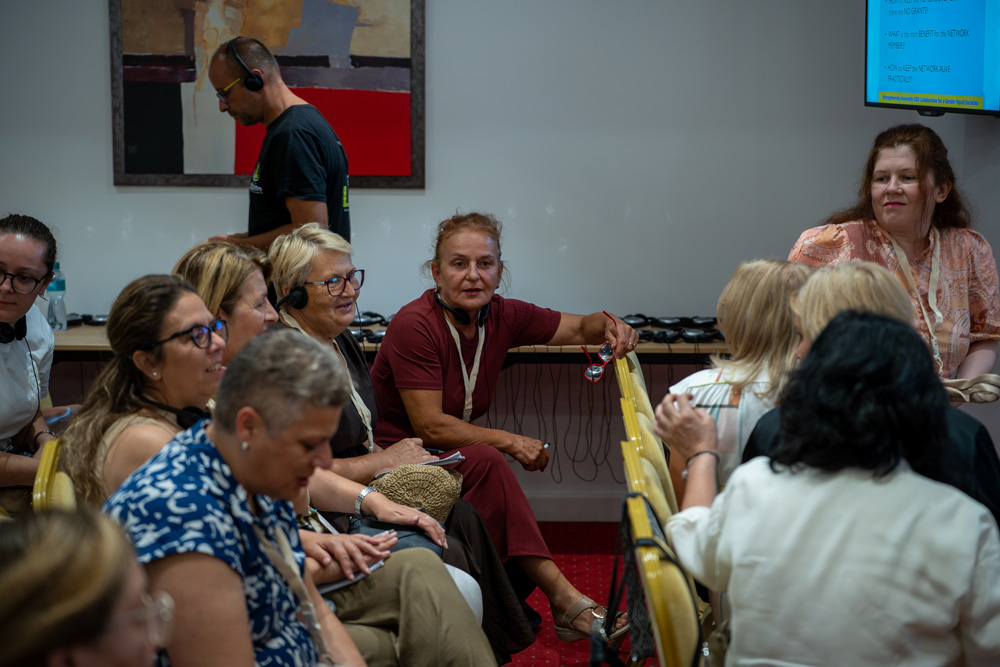
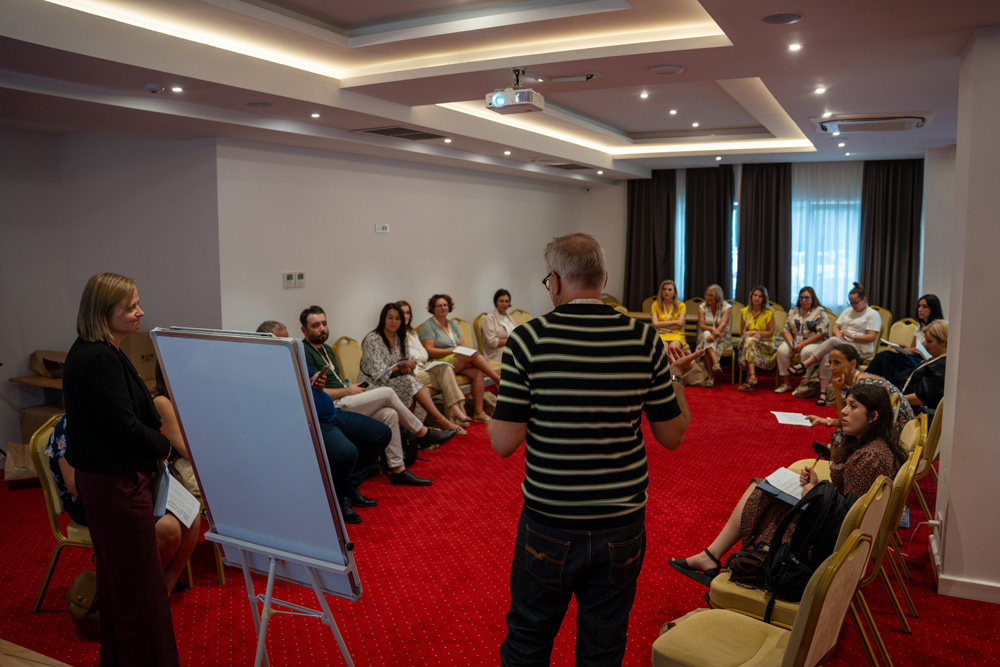
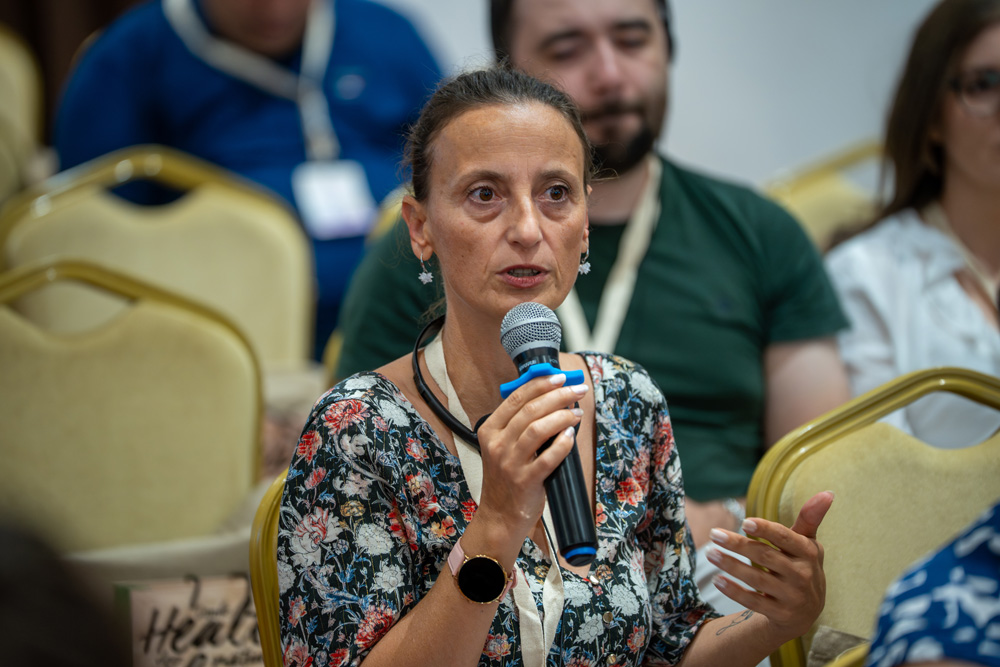
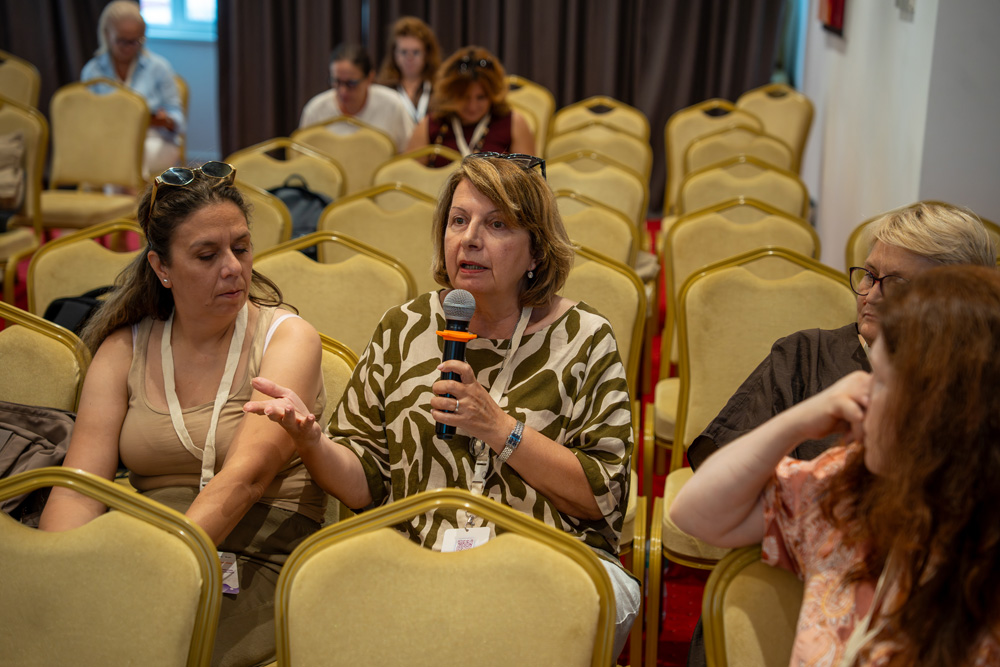
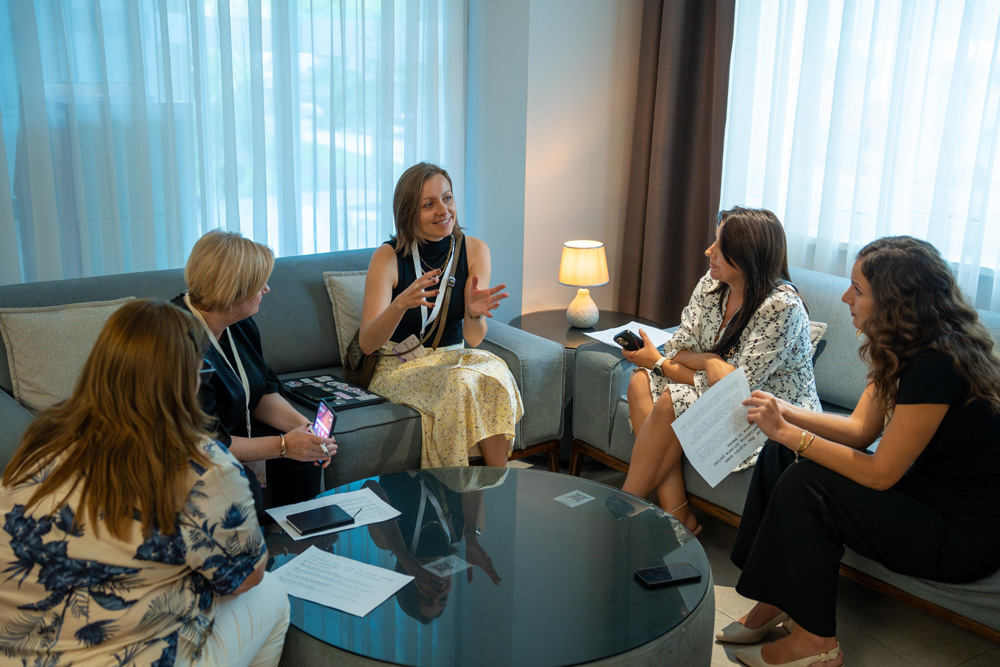
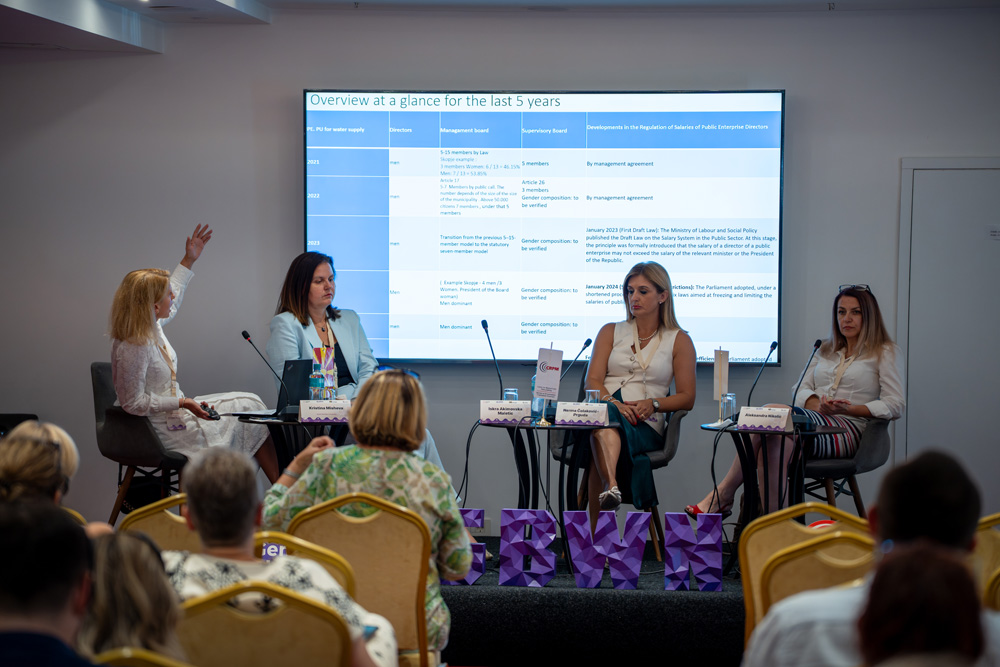
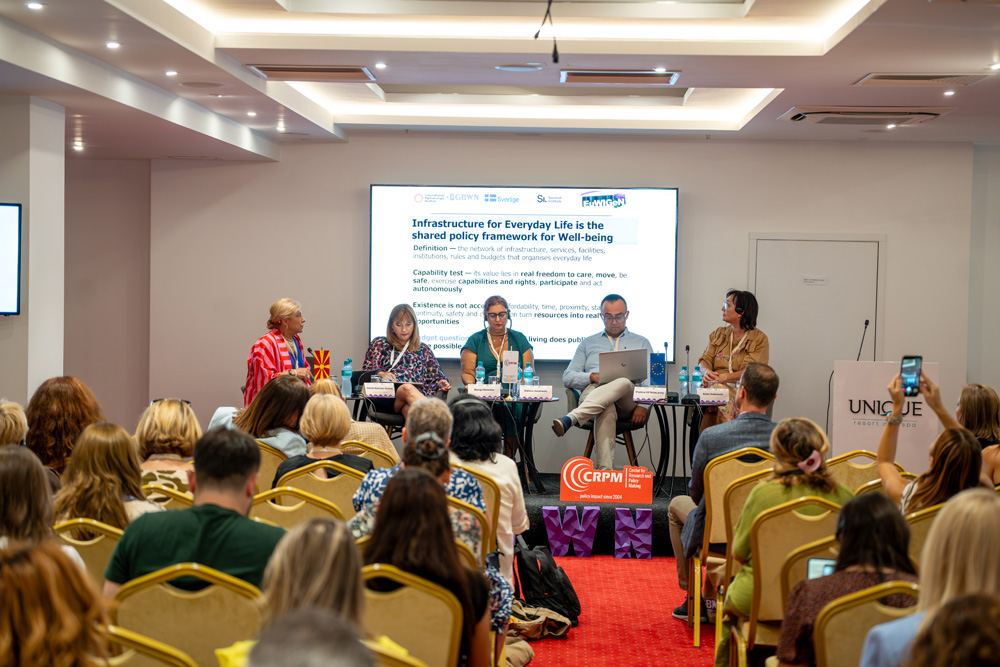
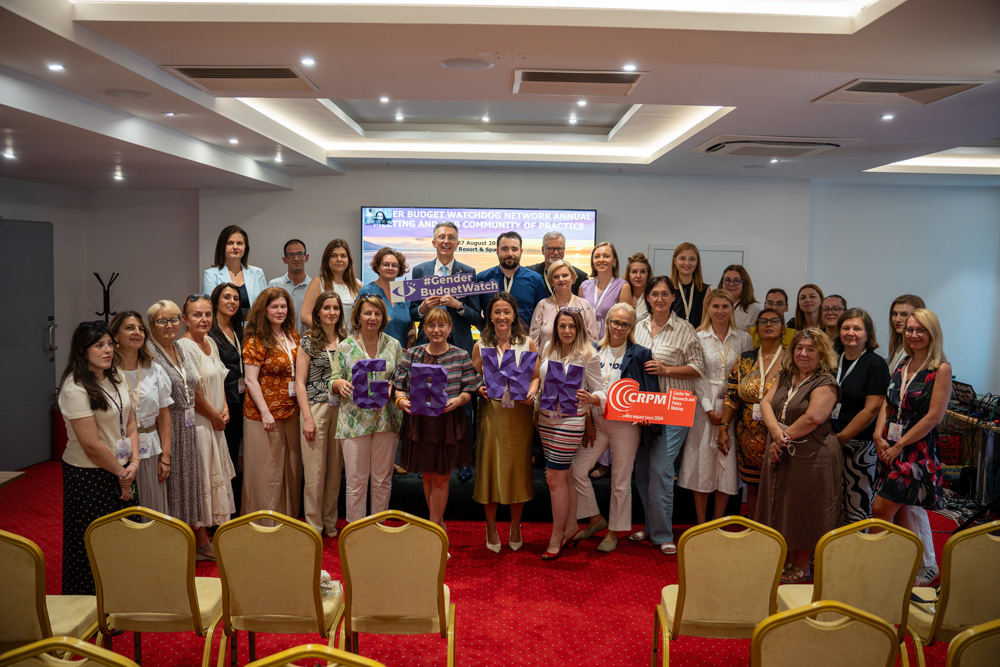
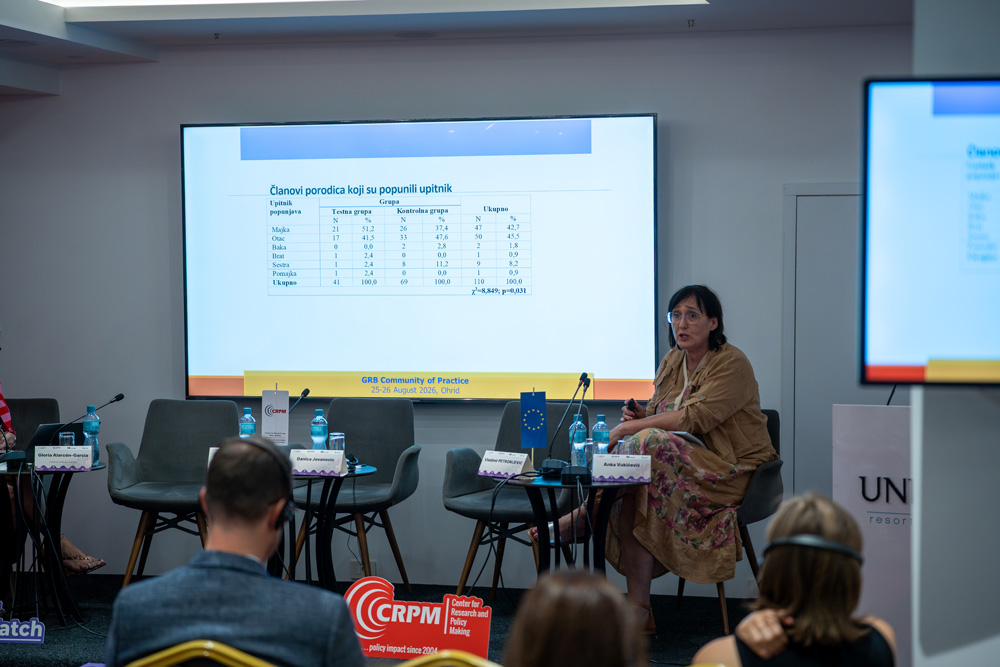
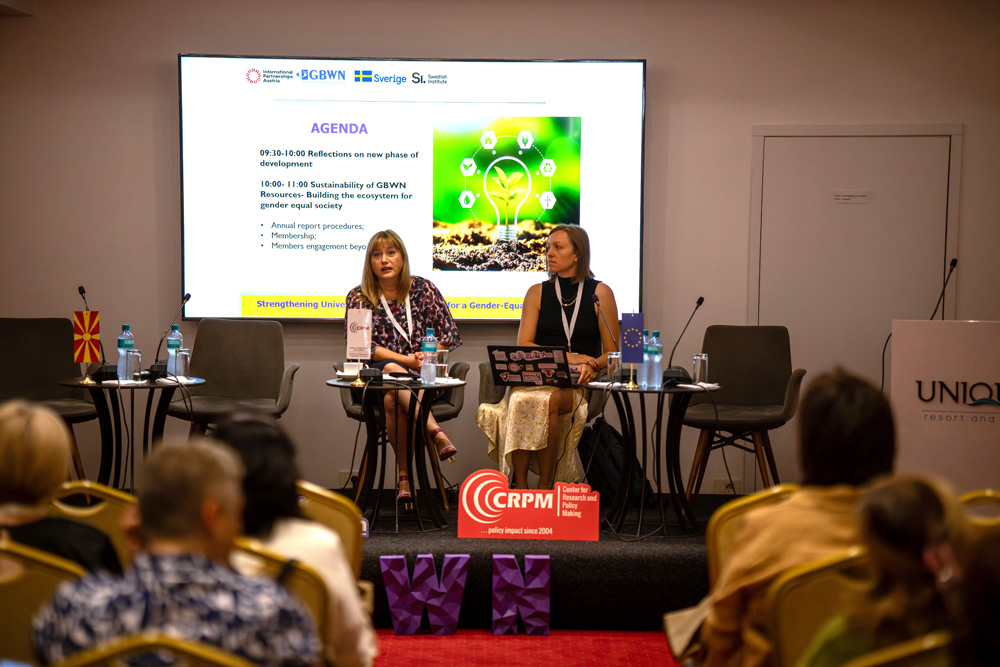
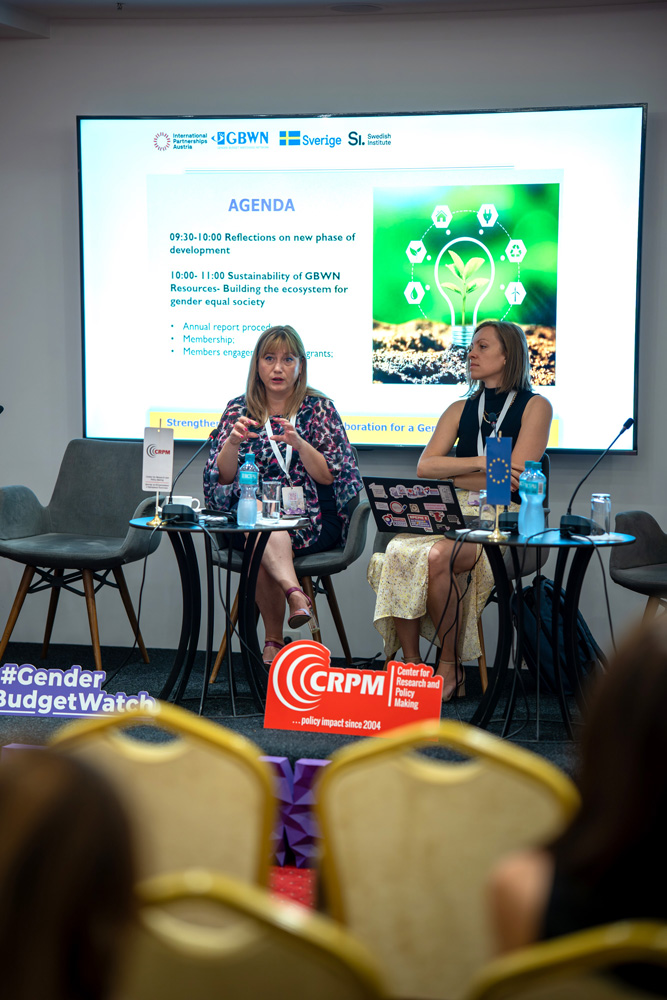
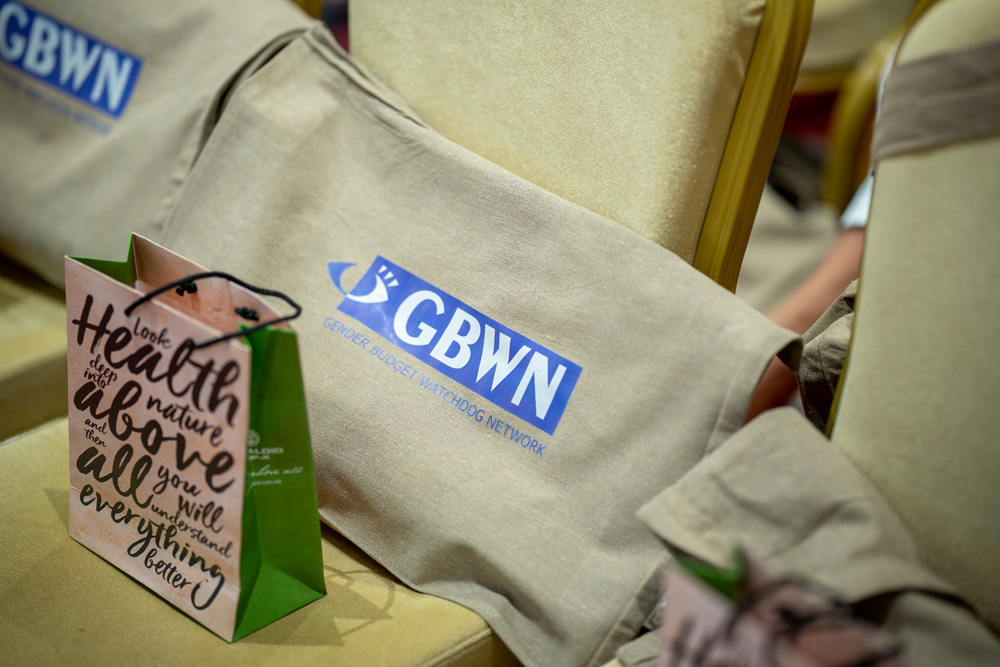
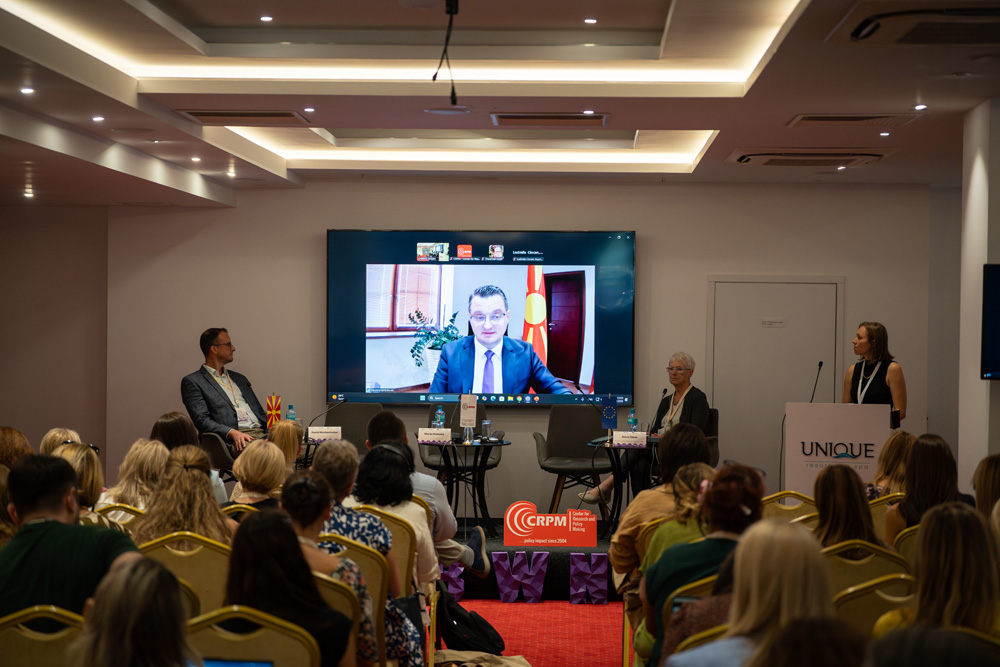
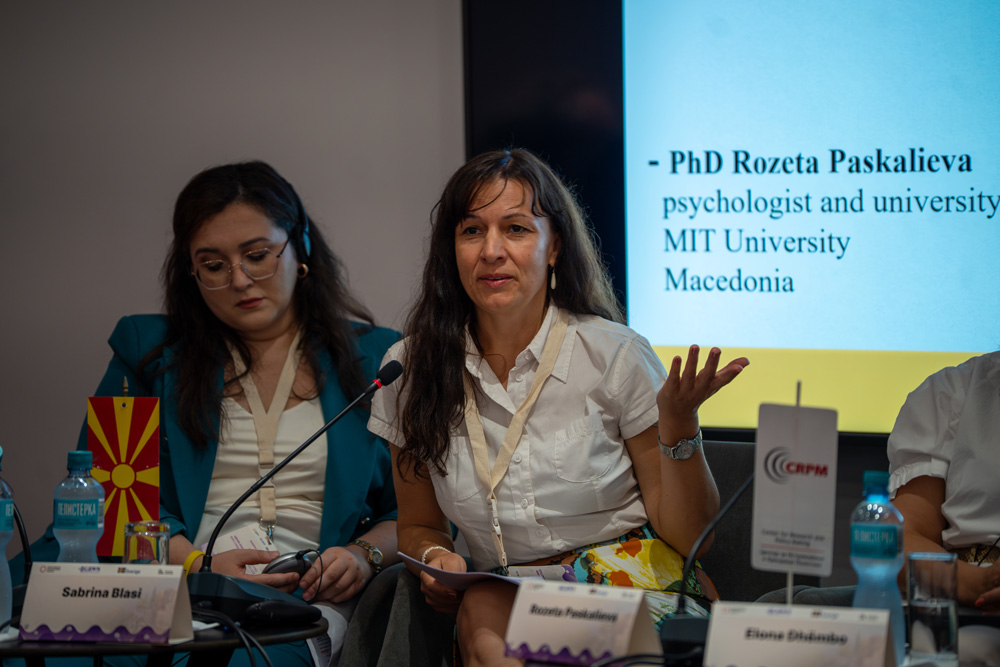
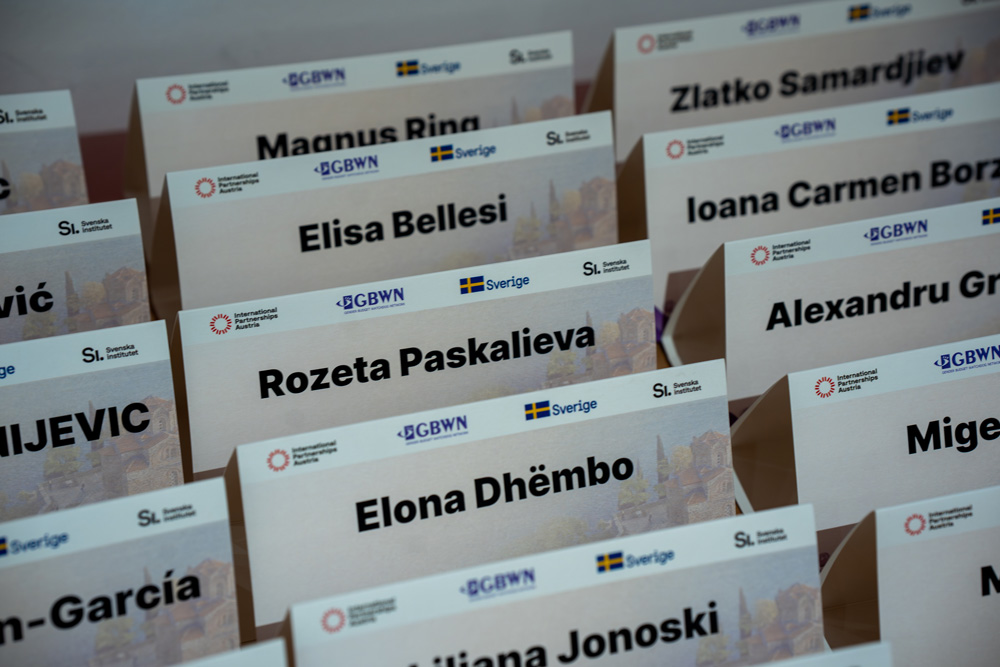
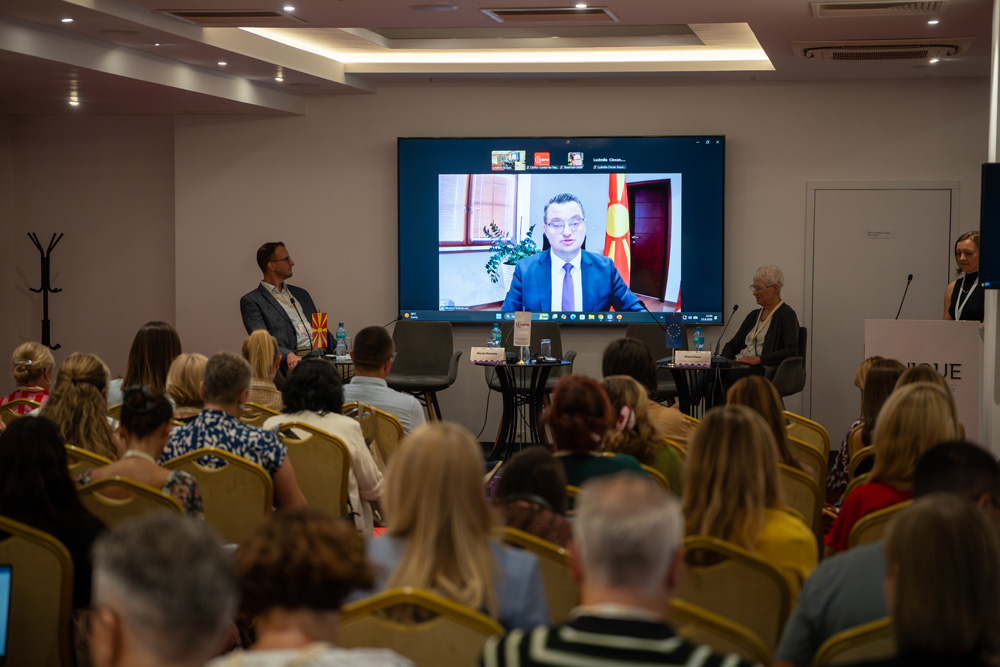
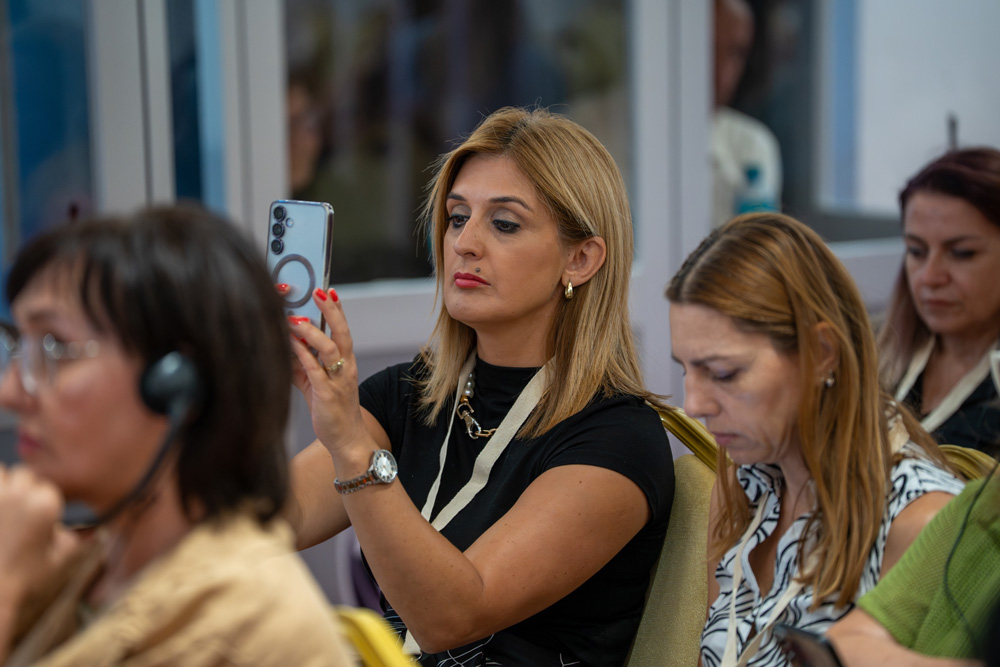
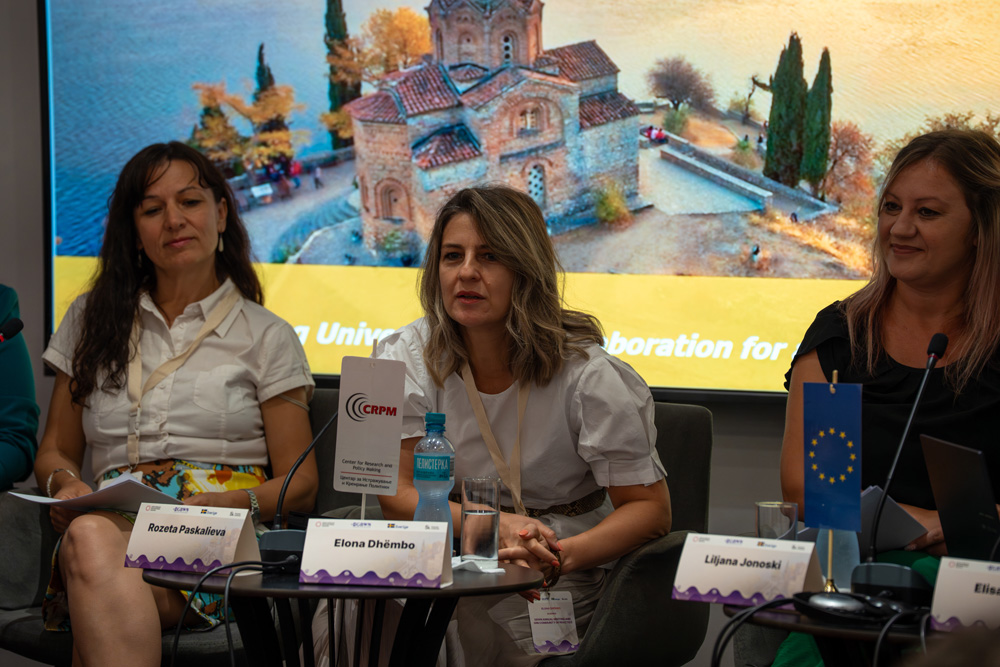
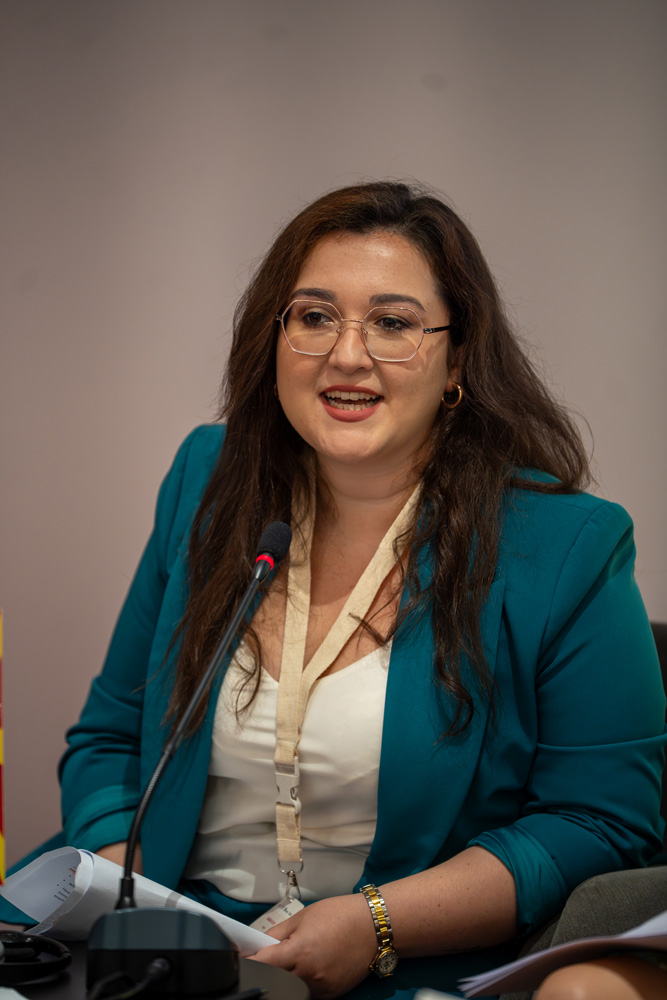
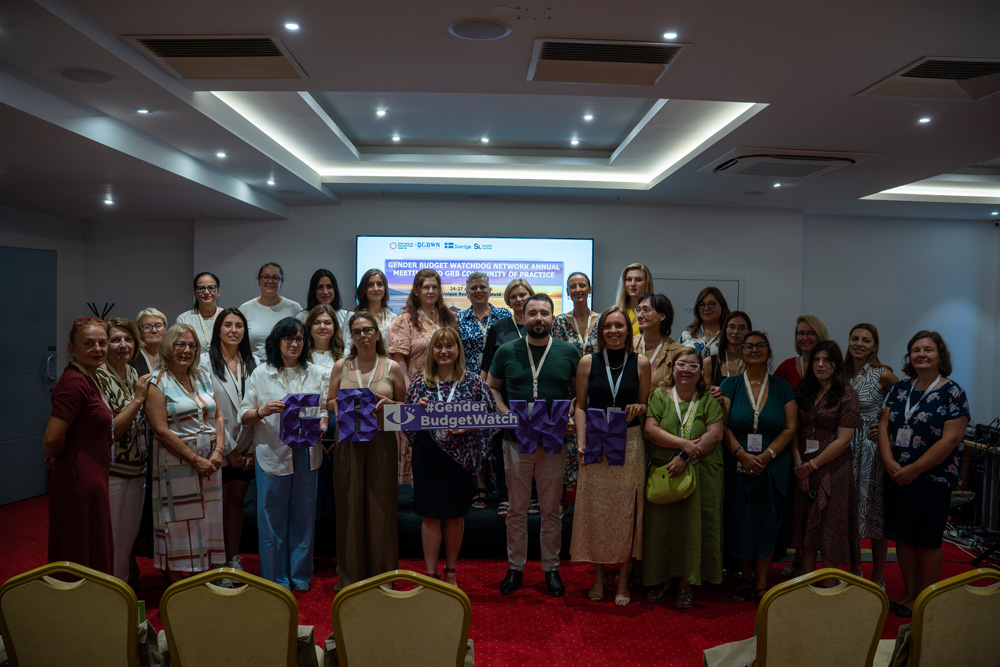
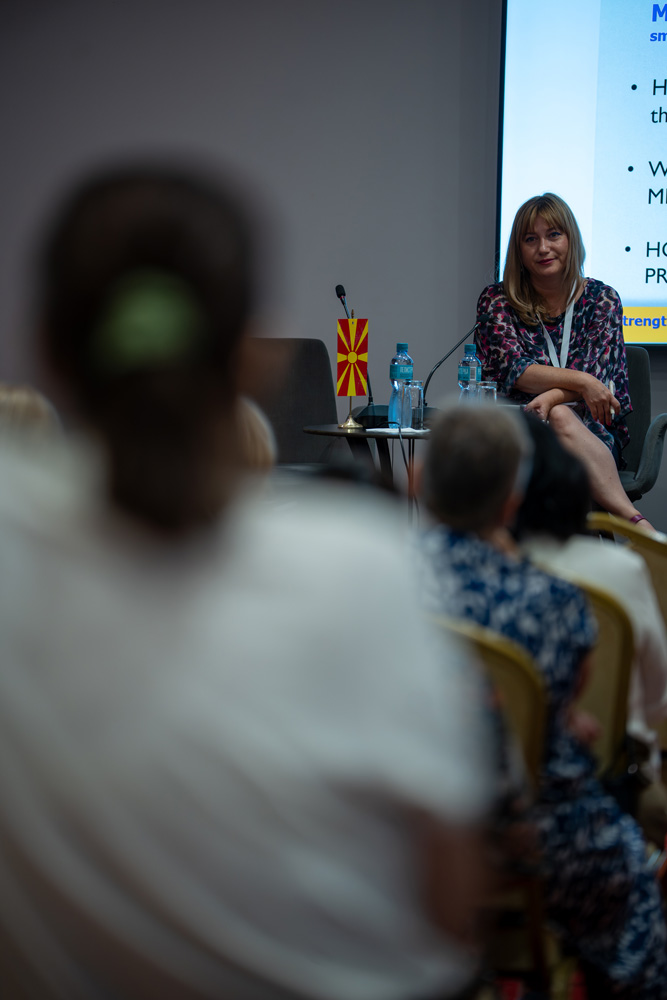
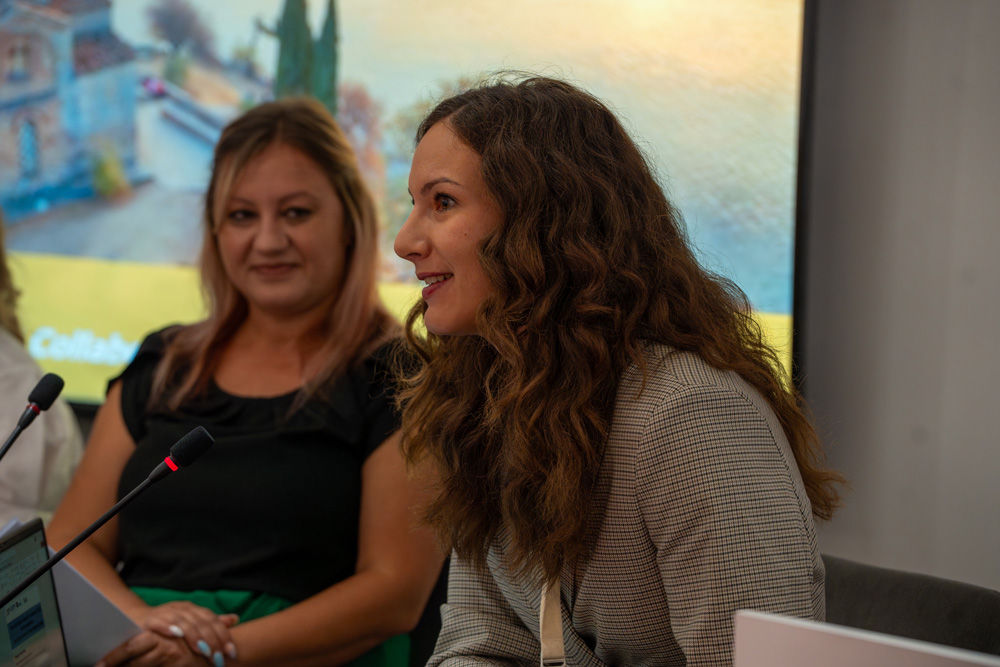
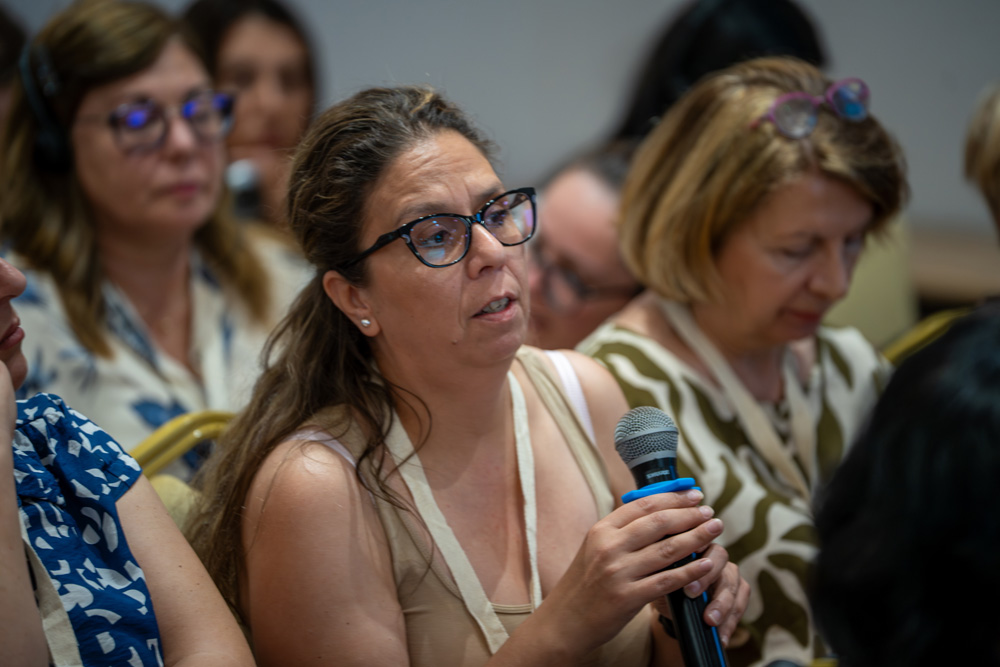
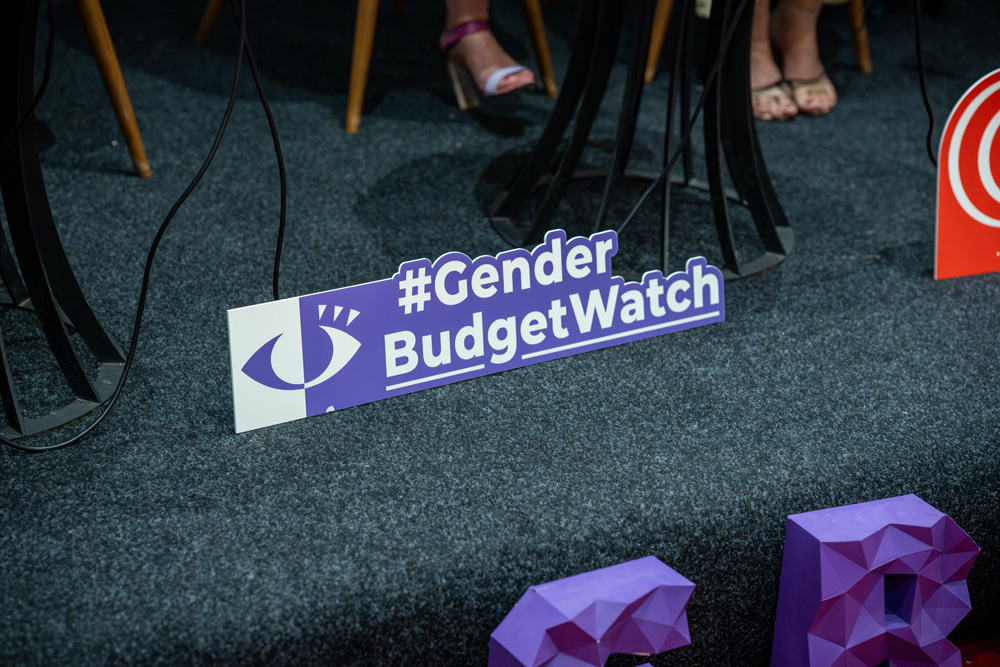
The Gender Budget Watchdog Network (GBWN) Annual Meeting and Gender-Responsive Budgeting (GRB) Community of Practice will bring together civil society organisations, researchers, academics, policymakers and practitioners from across the region and beyond to strengthen collective knowledge, collaboration and action for gender-equal societies. From 24–27 August in Ohrid, North Macedonia, the Gender Budget Watchdog Network (GBWN) will convene civil society organizations, researchers, policymakers, and practitioners from across the region and beyond for the Annual Meeting and Gender-Responsive Budgeting (GRB) Community of Practice. The gathering will create a dynamic space where academic insight meets on-the-ground reality, with a strong focus on advancing gender-equal societies through transformative public finance.
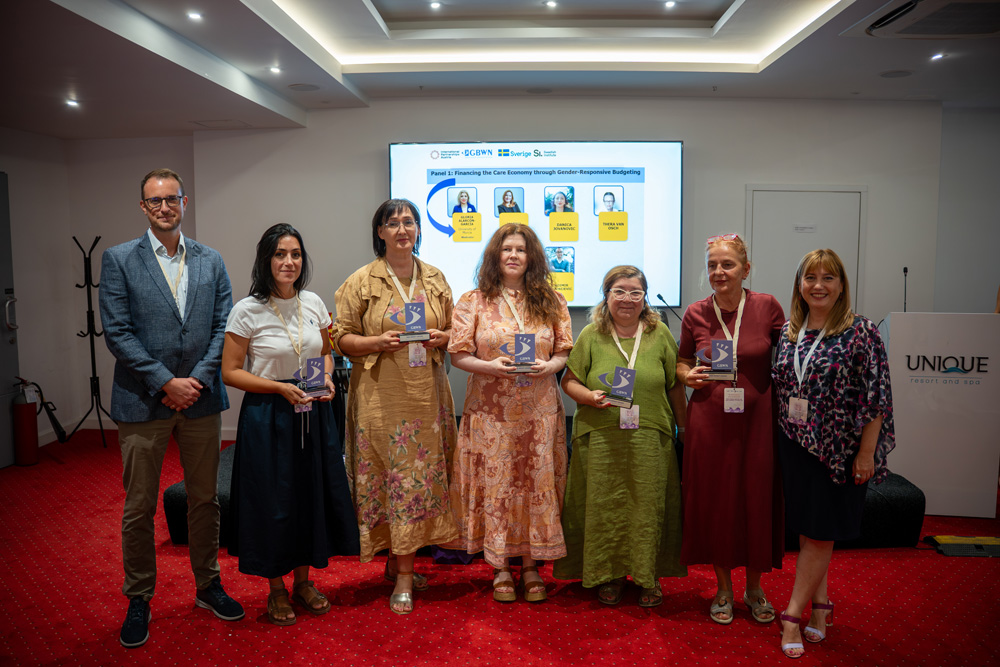
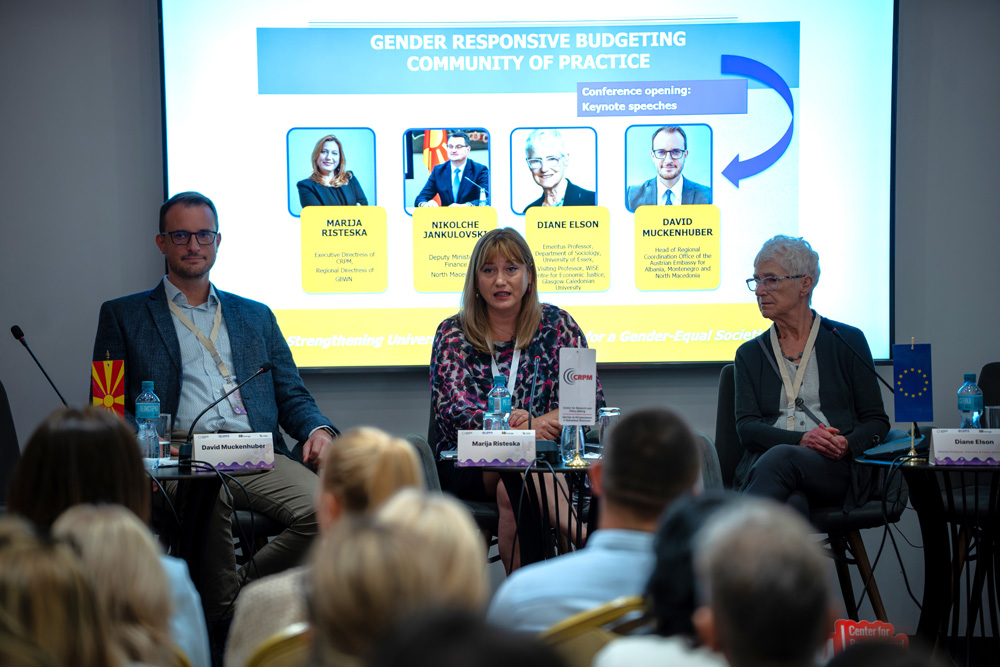
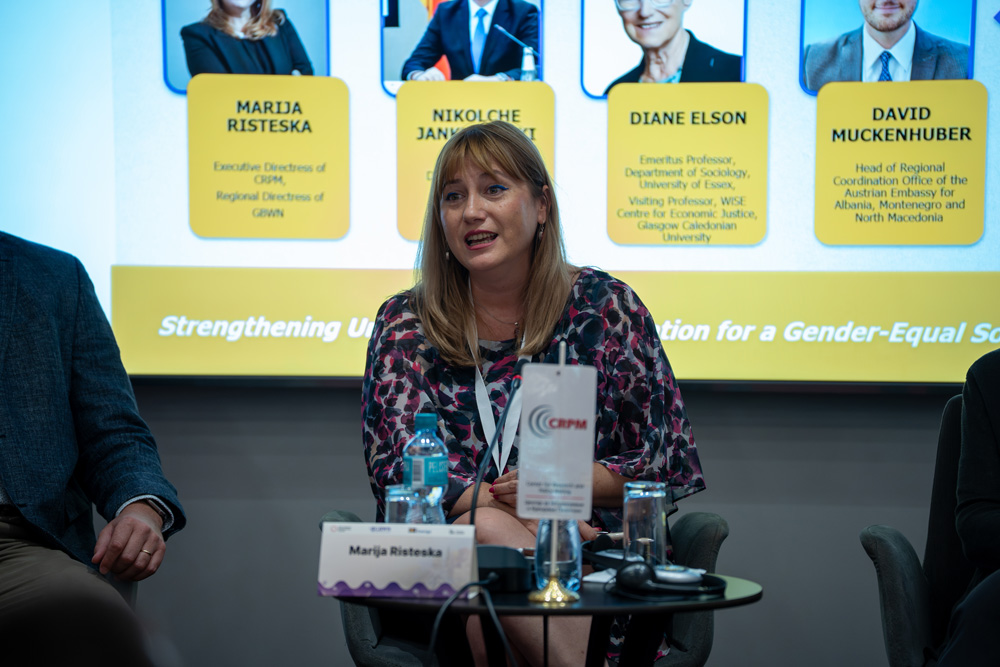
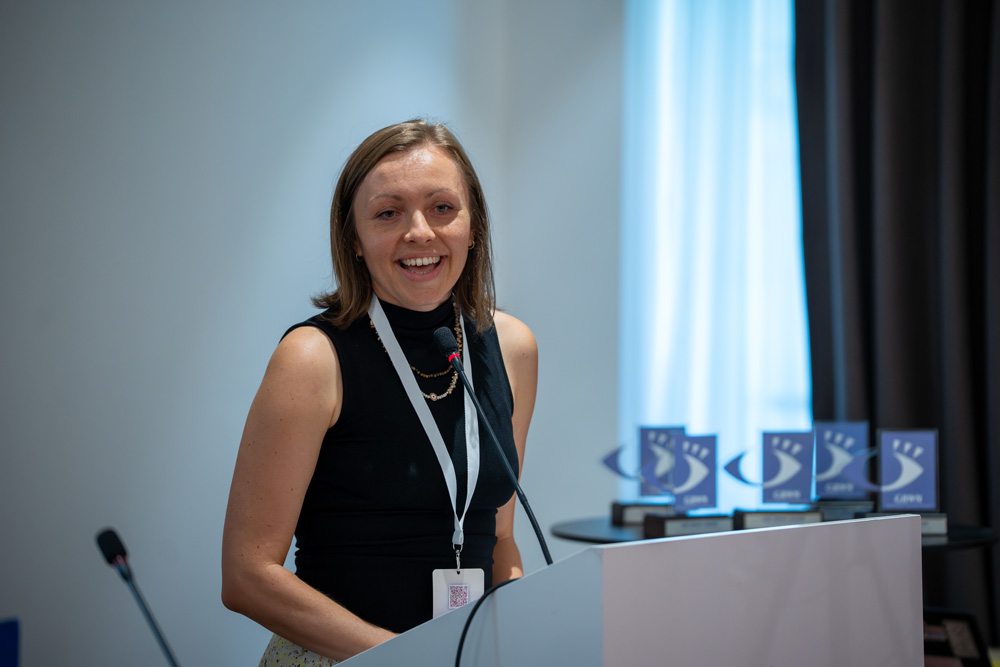
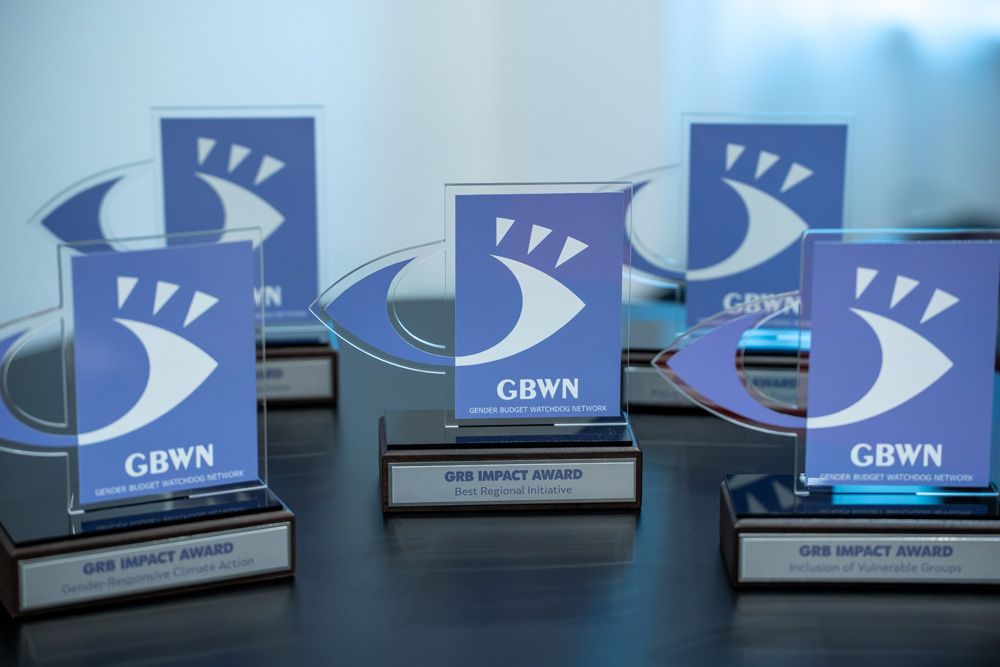
The Community of Practice will open with powerful keynote contributions, featuring Diane Elson, Emeritus Professor at the University of Essex and a globally recognized pioneer in the conceptualization of GRB. Setting a high-level tone for the days ahead, the program will also celebrate meaningful achievements through the GBWN GRB Impact Award, recognizing initiatives that have successfully turned GRB approaches into concrete, lived impacts.
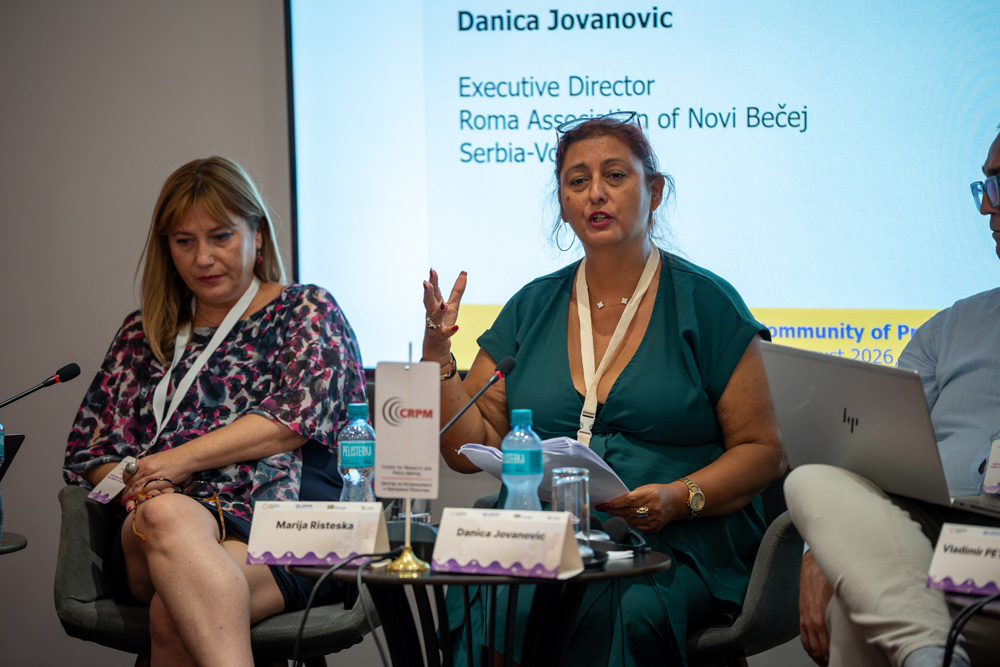
As the agenda unfolds, discussions will dive deep into three interconnected pillars of public policy: the care economy, climate finance, and women’s economic empowerment. Panels and sessions will explore how gender-responsive tools can be utilized to assess investments in care systems, guide just transitions in climate action, and build financial frameworks that truly support women entrepreneurs. A clear message will drive these sessions: public resources must accurately respond to the realities of women and marginalized groups to ensure accountability and evidence-based governance.
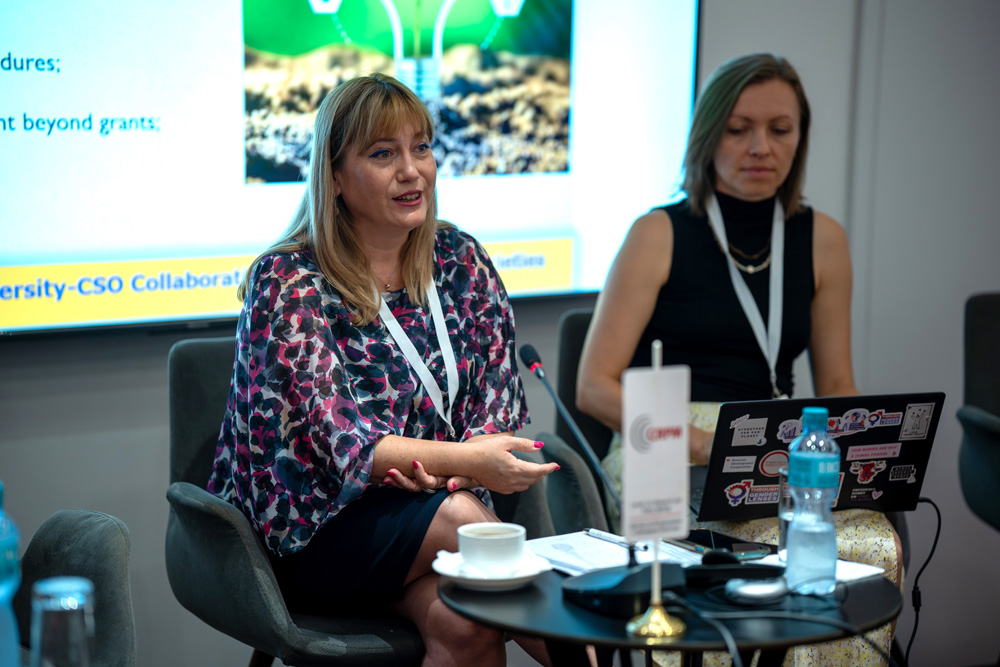
Highlighting a crucial dimension of impactful policymaking, the event will spotlight the synergy between research and activism. Organized in partnership with Lund University, with support from the Swedish Institute, dedicated workshops will address the development of a Gender Equality Research Hub. Participants will explore how bridging the gap between academia and civil society can foster stronger evidence-based advocacy and generate robust, gender-sensitive data.
Beyond the broader policy discussions, the gathering will provide vital space for the GBWN to look ahead and reflect on its own trajectory. Members will engage in strategic dialogues regarding the Network’s new developmental phase, exploring its sustainability, resources, and future governance to ensure the foundation remains strong for years to come.
By connecting research, policy engagement, and grassroots practice, the Ohrid gathering will reaffirm the transformative power of GRB. This combined Annual Meeting and Community of Practice is designed to be more than just a forum for exchange—it is a collective commitment to shaping public budgets that work for the people, drive sustainable change, and build fundamentally inclusive, equitable societies.
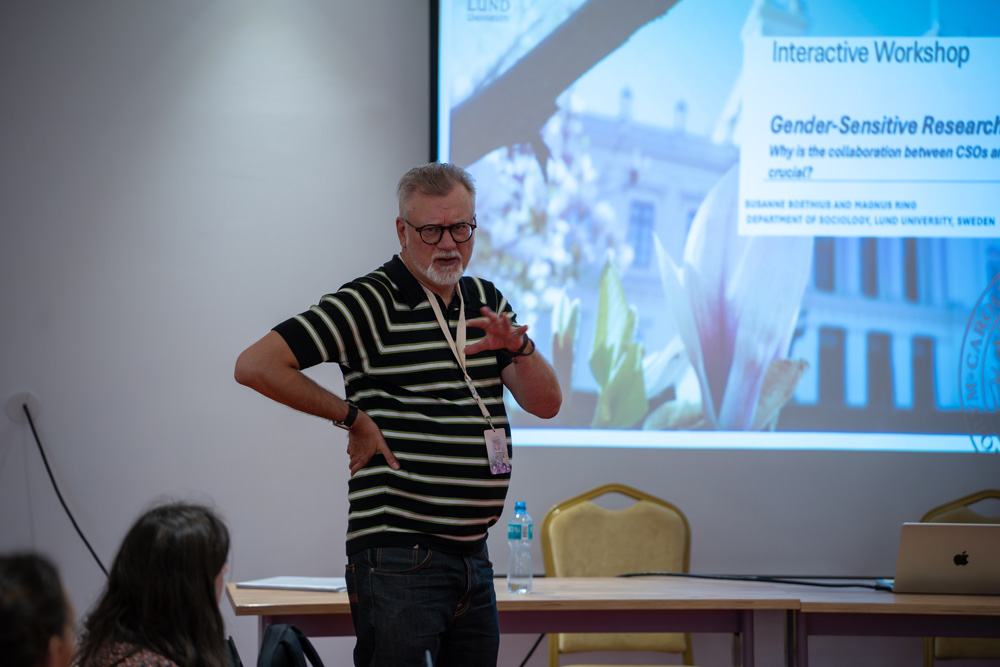
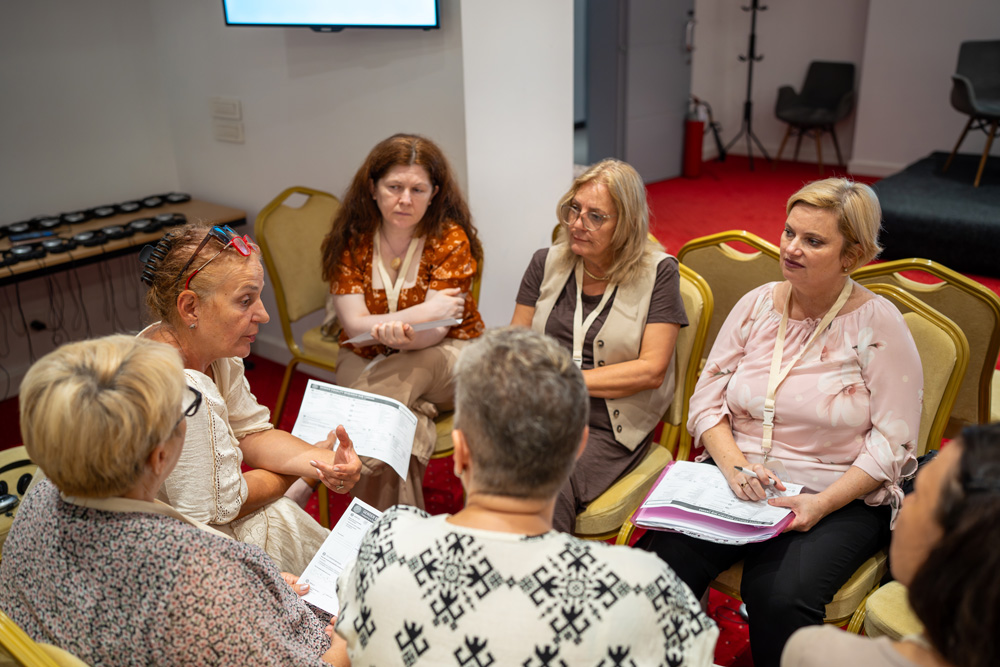
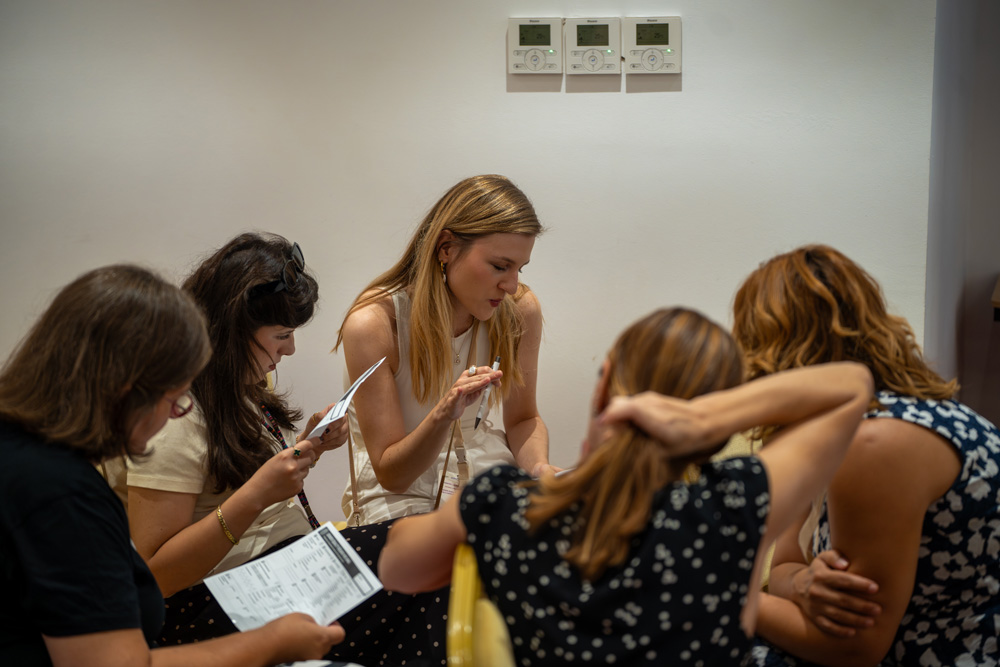
Led by Lund University and CRPM, this interactive workshop addresses the critical need for structured, long-term partnerships between academia and civil society. The session focuses on co-creating a comprehensive partnership model that bridges the gap between knowledge production and practical policy advocacy. Participants will actively engage in shaping the proposed Gender Equality Research Hub, exploring sustainable mechanisms for joint applied research, student involvement, and evidence-based policy analysis. By tackling existing institutional barriers and moving beyond ad-hoc, project-based work, the collaborative design process ensures the model reflects real on-the-ground needs. Ultimately, attendees will help develop a replicable, scalable blueprint that empowers universities and CSOs to sustainably co-produce knowledge and drive transformative, gender-equal policy reforms.
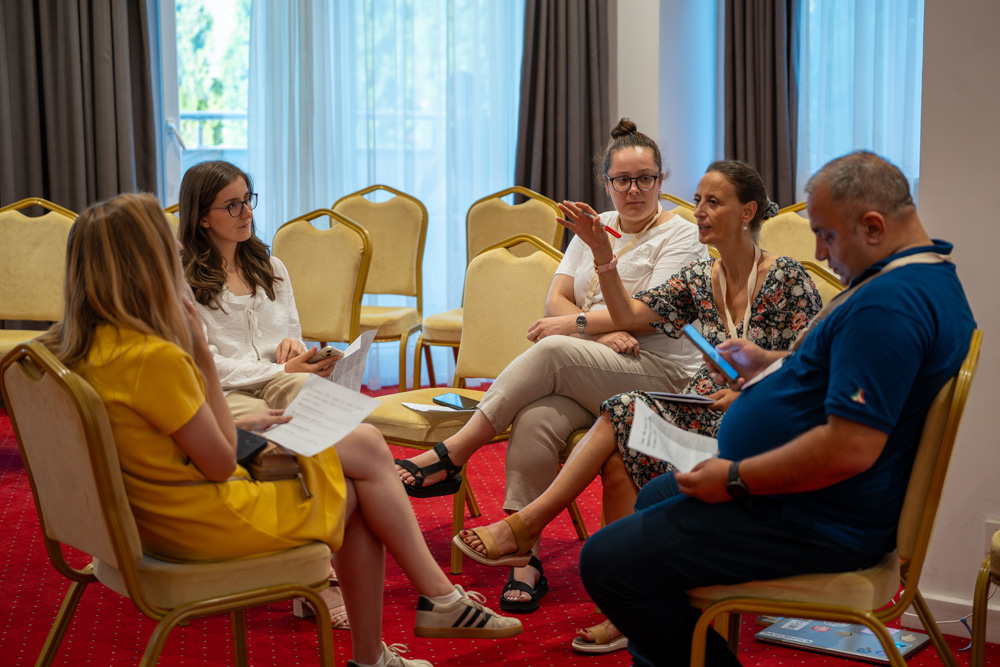
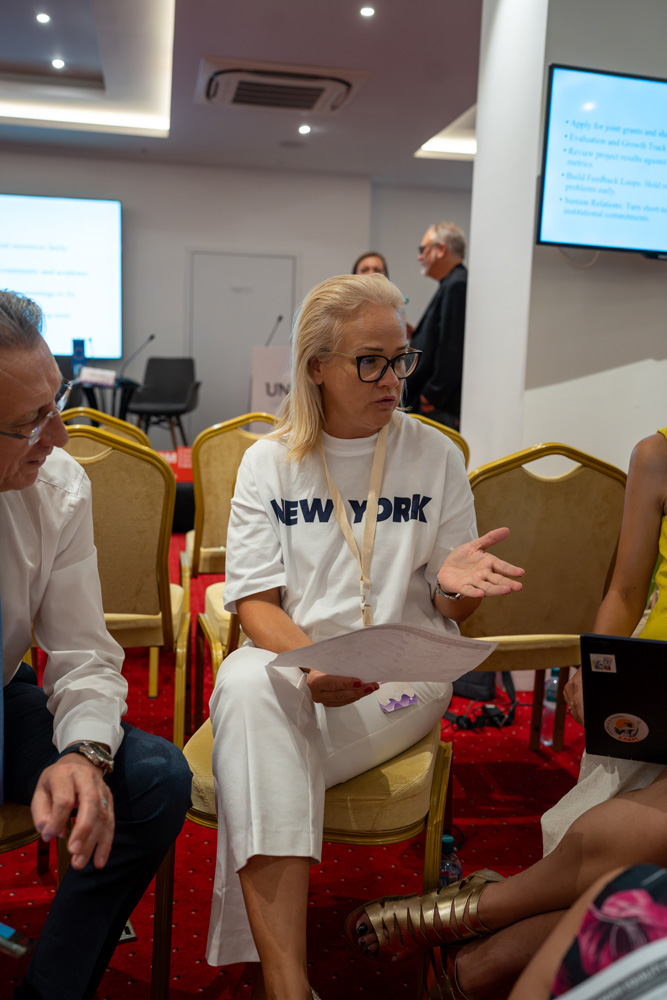
Led by Prof. Dr. Marija Vuković, the workshop “Who Pays, Who Benefits? A GRB Advocacy Lab on the Revenue Side of Budgets” shifts the focus of Gender-Responsive Budgeting (GRB) from the expenditure side to the often-overlooked revenue side of public budgets. The concept emphasizes that achieving true gender equality requires examining not just how public money is spent, but how it is raised—questioning who bears the burden of taxes and fees, and who genuinely benefits from fiscal incentives and tax reliefs. Through this lens, the interactive Advocacy Lab aims to explore how transforming public revenue policies can sustainably finance critical priorities like the care economy, climate action, and women’s economic empowerment. Through small group work and a culminating mini “Partnership Marketplace,” participants will translate these analyses into concrete advocacy demands, policy pitches, and stakeholder maps. Ultimately, attendees will leave equipped with a practical tool—the GRB Revenue Advocacy Canvas—enabling them to continuously link public revenues to equality goals in their future research, institutional planning, and cross-sector advocacy efforts.
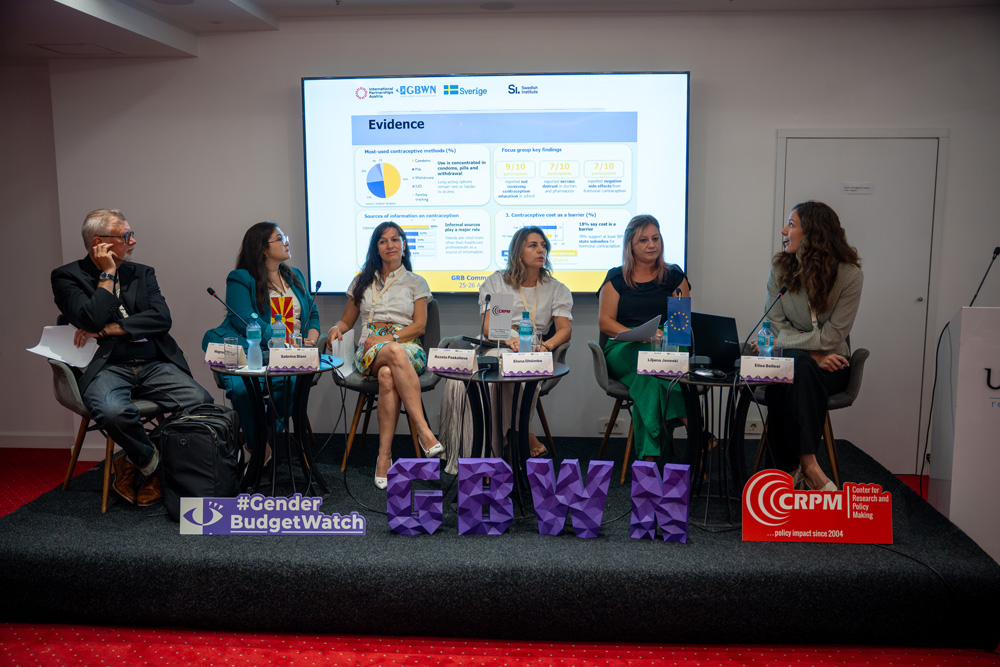
This workshop, led by Lund University and CRPM builds on the findings from the focus groups done by CRPM in June 2026 with CSOs and academia representatives. The focus groups highlighted that university-CSO cooperation on gender equality is currently informal and driven by individual academics rather than institutional frameworks. While participants noted barriers like low prioritization and poor communication, they emphasized that collaboration brings immense value, combining grassroots’ CSO data with academic analytical rigor to strengthen evidence-based policymaking. The workshop will make participants think deeper about how to build lasting partnerships and practical collaboration models. The main question to answer as the outcome of this workshop will be: “What is needed to establish a sustainable Gender Equality Research Hub or coordination platform to bridge the gap between sectors, increase visibility, and transform isolated projects into structured, long-term cooperation?”
Participants will actively engage in shaping the proposed Gender Equality Research Hub, exploring sustainable mechanisms for joint applied research, CSOs involvement, and evidence-based policy analysis. By tackling existing institutional barriers and moving beyond ad-hoc, project-based work, the collaborative design process ensures the model reflects real on-the-ground needs. Ultimately, attendees will help develop a replicable, scalable blueprint that empowers universities and CSOs to sustainably co-produce knowledge and drive transformative, gender-equal policy reforms.