
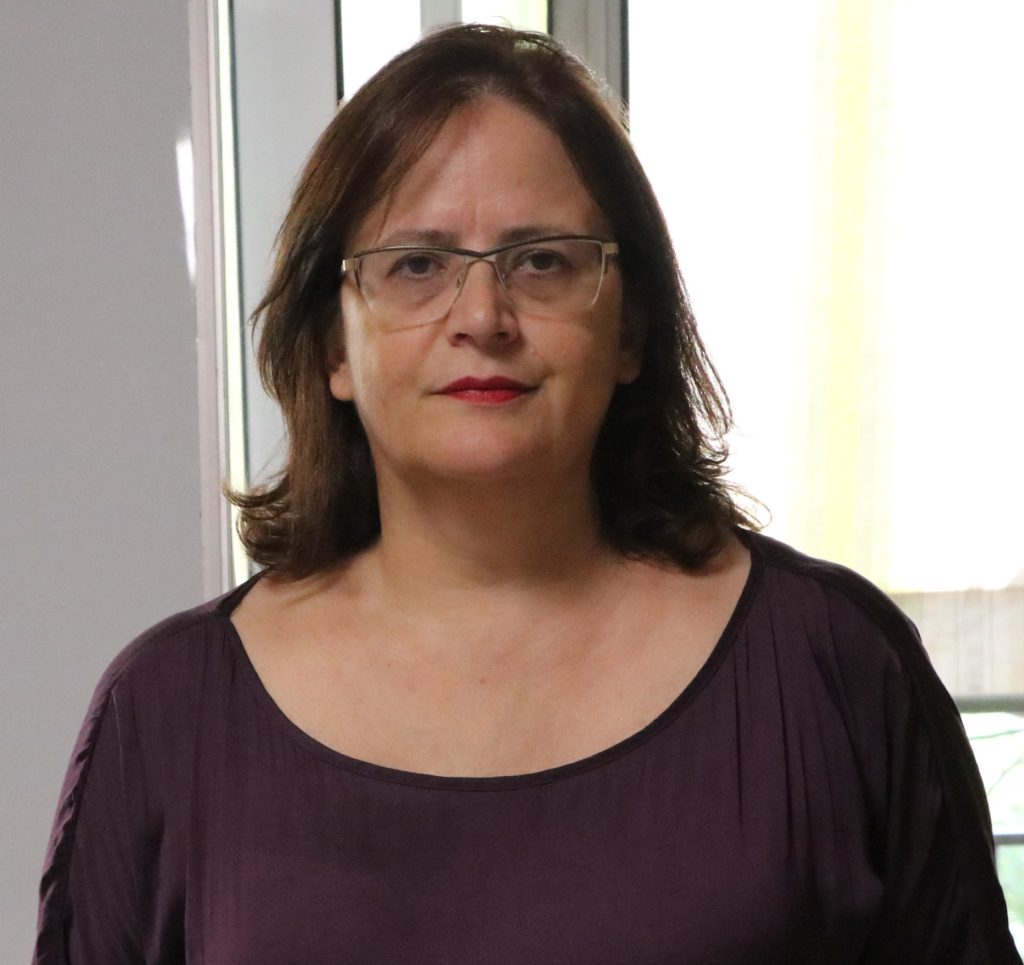
MIRELA ARQIMANDRITI
Albania
Mirela Arqimandriti is the Executive Director of the Gender Alliance for Development Center (GADC) in Albania and has over 30 years of experience advancing gender equality through policy advocacy, gender-responsive budgeting (GRB), and public finance monitoring. She has led numerous national and regional initiatives integrating gender perspectives into public budgeting, fiscal policies, and governance reforms, while strengthening the capacities of public institutions and civil society organizations. As a long-standing member of the Gender Budget Watchdog Network (GBWN), she has actively contributed to regional cooperation, knowledge exchange, and evidence-based advocacy for more gender-responsive and accountable public finance systems.
Mirela’s extensive experience, strategic vision, and long-standing commitment to gender-responsive budgeting make her a strong candidate for the GBWN Executive Board. Throughout her career, she has demonstrated outstanding leadership in promoting gender equality through public finance reforms, building partnerships across the Western Balkans and beyond, and supporting evidence-based advocacy. As a member of the Executive Board, she will bring valuable expertise, regional perspective, and a collaborative approach that will further strengthen GBWN’s mission, sustainability, and impact.
“My extensive leadership and technical expertise and a proven ability to build strong regional partnerships contributed to GBWN since its establishment and would like to build on it further!“
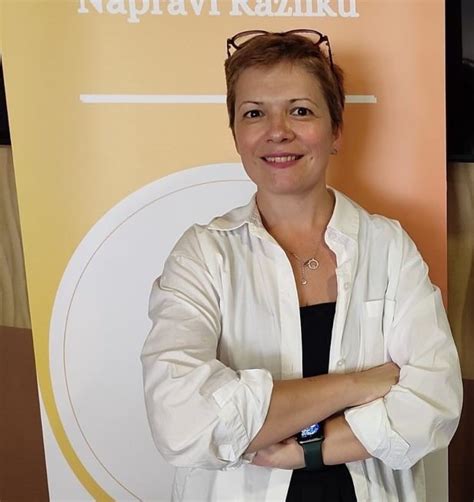
VILDANA DŽEKMAN
Bosnia and Herzegovina
Vildana Džekman has more than 10 years of experience in the women’s rights sector, primarily within civil society organizations, where she has worked on advancing gender equality through advocacy, research, and policy engagement. She has conducted numerous gender-responsive analyses of local government policies and budgets, contributing to the promotion of more equitable and inclusive public resource allocation. Her expertise also includes research on the intersection of gender equality and climate change through the ecofeminist research. As President of the Women’s Association Make a Difference (“Napravi Razliku”), Vildana leads initiatives that advocate for gender-responsive reforms, strengthen women’s participation in decision-making processes, and improve the position of women in local communities.
“I believe that serving on the Executive Board would provide me with the opportunity to contribute to shaping clearer strategies for supporting women’s organizations and activists, particularly those working in smaller local communities, where the women’s sector is facing significant challenges.“
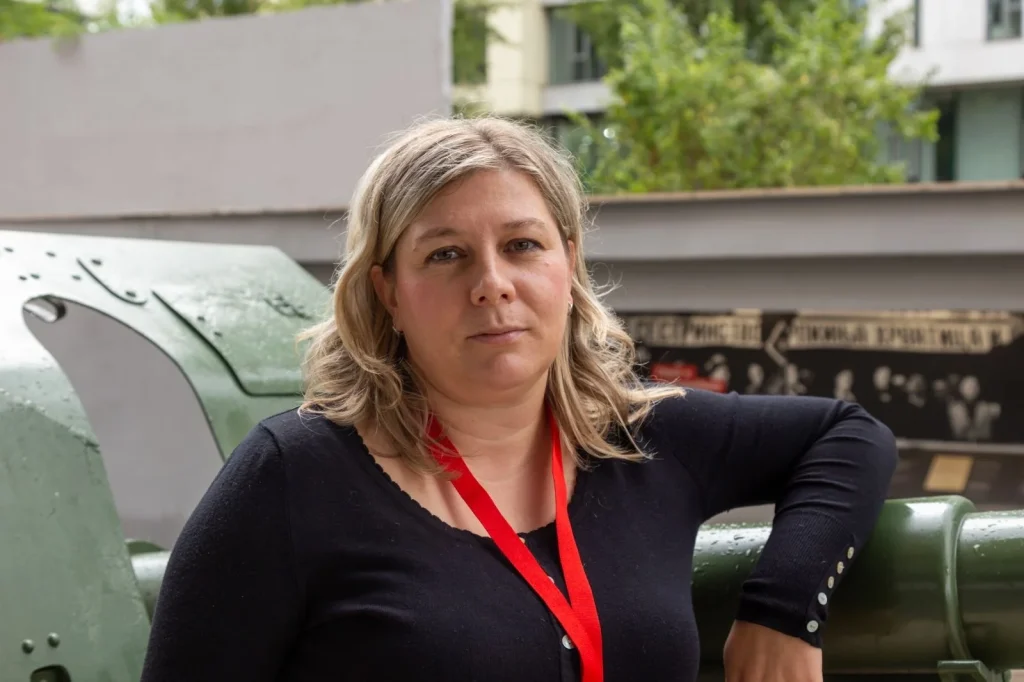
NEIRA RAKOVIC
Bosnia and Herzegovina
Neira Raković is a women’s rights advocate and coordinator of the Women’s Movement of Una-Sana Canton (Ženski pokret USK), an informal network of women’s organizations working to advance gender equality, women’s participation and inclusive decision-making processes. She has direct experience in the field of GRB and gender-sensitive monitoring of public finances. As a project coordinator of the initiative “Gender Responsive Budgeting; Climate Change in Bihać”, she coordinated activities focused on analysing the impact of the City of Bihać’s gender-responsive budgeting approach on climate change-related policies and measures. Through this work, she contributed to understanding how public resources and local policies can better respond to the different needs and experiences of women and men, while addressing climate change challenges from a gender perspective. Neira actively advocates for the integration of gender equality principles into public planning, budgeting and decision – making processes. Her work focuses on strengthening the capacity of women, especially from rural communities, to participate in local governance.
“As a representative of civil society and a coordinator of a women’s network at the local level, I bring valuable experience from working directly with women, especially those from rural communities.”
ŽELJANA PJEVALICA
Bosnia and Herzegovina
Željana Pjevalica is executive directress of Women’s Association “Priroda” from Bratunac. As a member of the Gender Budgeting Monitoring Network (GBWN), UŽ Priroda has implemented several initiatives related to gender budgeting. Željana led the regional initiative implemented in 3 countries of the Western Balkans (Priroda – BiH – project leader in partnership with BUM Bečej – Republic of Serbia and Journalists for Human Rights – North Macedonia). WA Priroda, in partnership with WU Maja, implemented 2 local intitiatives which resulted in the adoption of regulations for incentives for the allocation of funds from the budget line for agriculture with gender-responsive criteria and in the development and adoption of an Action Plan for the Prevention of Climate Change in the Municipality of Bratunac for a three-year period with measures and activities, gender-responsive indicators, and criteria for budget allocation in 4 areas (housing, health, agriculture, and tourism).
“I have been an advocate for GRB for many years and this work is something I truly believe brings real transformation for the rural communities.“
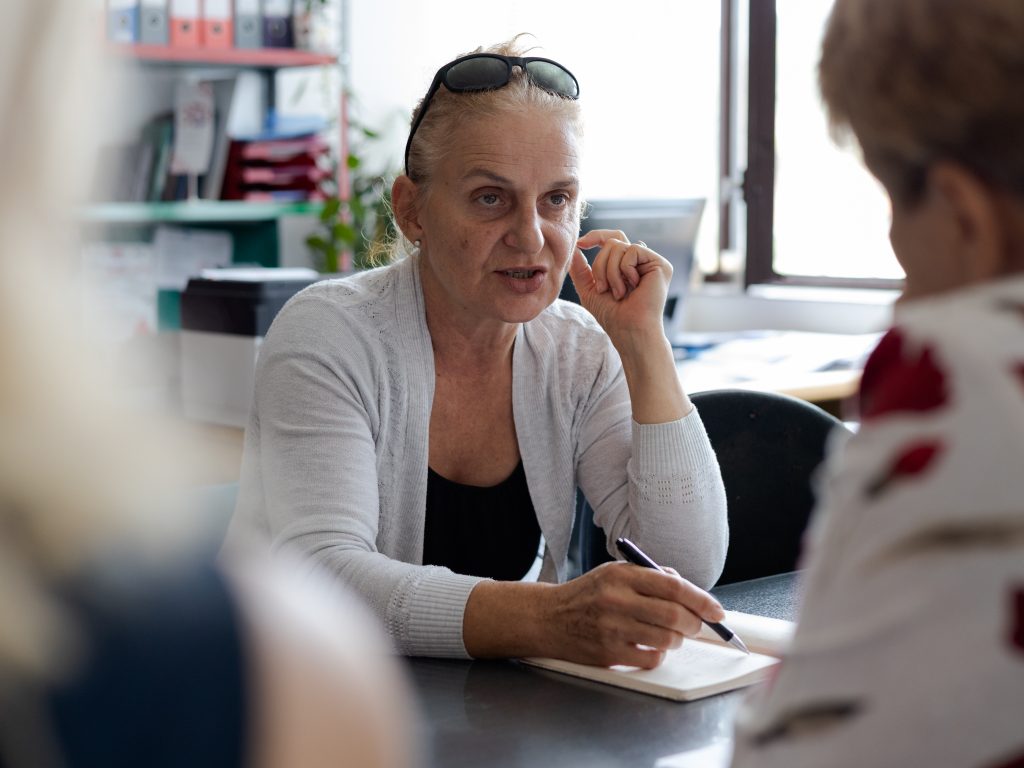
NICOLE FARNSWORTH
Kosovo
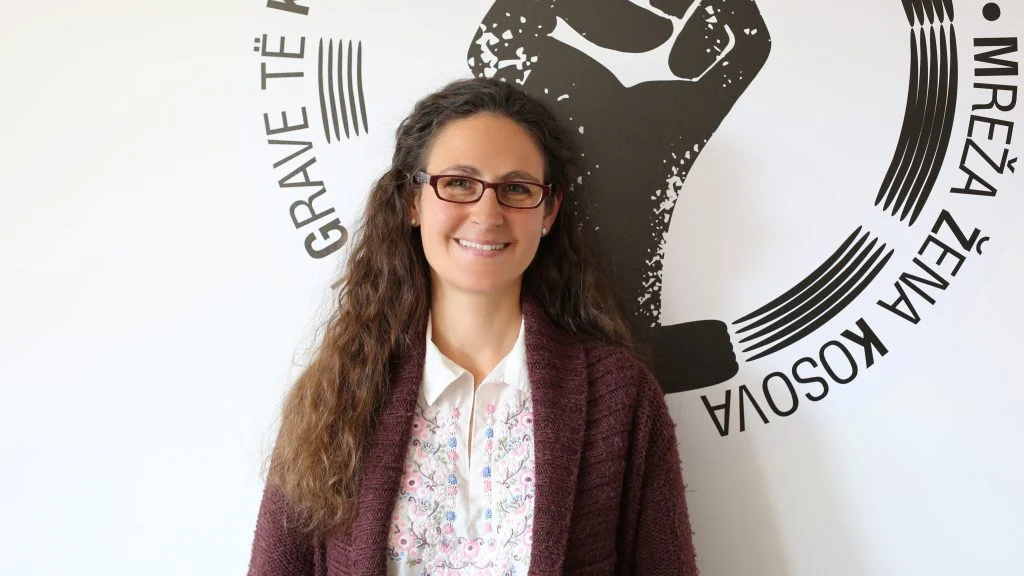
Nicole Farnsworth, a U.S. and Kosovo citizen, has lived and worked in Kosovo for more than 20 years, primarily with the Kosovo Women’s Network (KWN), where she currently serves as Program Director and Lead Researcher. A sociologist and researcher with an MSc from the London School of Economics, she is also a writer and gender equality activist with extensive expertise in gender-responsive budgeting (GRB), gender-based violence, and gender mainstreaming in the EU accession process. She has led research and (co-)authored 24 publications on gender equality, GRB, gender-based violence, and the integration of a gender perspective into EU accession processes, several of which have contributed to legal and policy changes. She has delivered numerous trainings and provided tailored mentoring to public institutions at both central and local levels in Kosovo, supporting them in introducing and institutionalising GRB. Nicole has also supported the Ministry of Finance in developing GRB guidance for inclusion in budget circulars. She developed the GRB training curriculum for the Kosovo Institute for Public Administration (KIPA). She also consults and delivers trainings internationally for various organisations on gender analysis, gender mainstreaming, GRB, advocacy, and civil society support.
“I bring an extensive expertise in GRB, gender equality, advocacy, and capacity building at local, national, regional, and international levels.”
MARIJA RISTESKA
Macedonia
Marija Risteska holds PhD in political science. She is the founder and Executive Director of the Centre for Research and Policy Making, which has received a Japanese Medal for Outstanding Research in development in 2016 and PASOS Think tank award in 2010 and 2013. In 2023 CRPM was nominated for the World Democracy Award of Council of Europe for its gender budget work. For 20 years Marija specializes in gender mainstreaming in policies, budgets and programs/projects. She is co-author of the universities text book Gender Responsive Budgeting; and has recently edited the Springer Nature publication Gender Responsive Budgeting in Southern European Context: https://link.springer.com/book/10.1007/978-3-032-23875-7
“I would like to lead the GBWN to the next level of development and replication of its method in other regions beyond Western Balkans.”
LILJANA JONOSKI
Macedonia
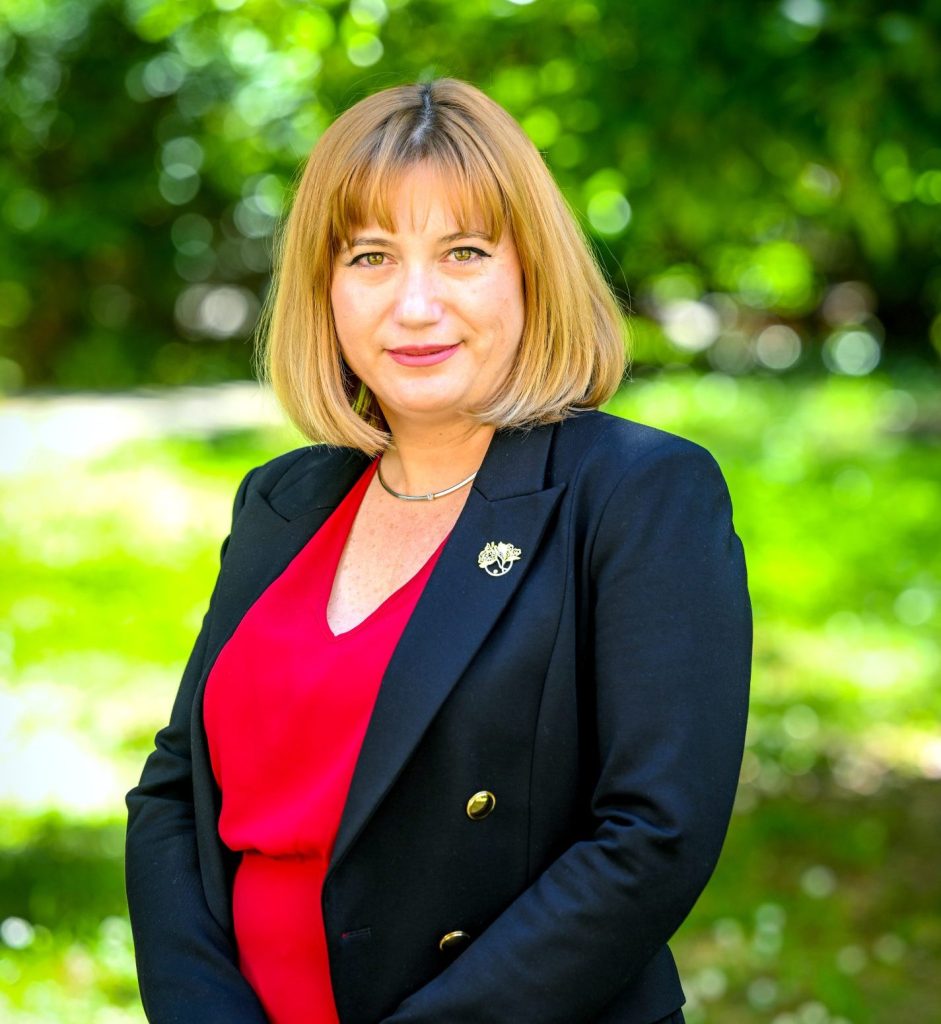
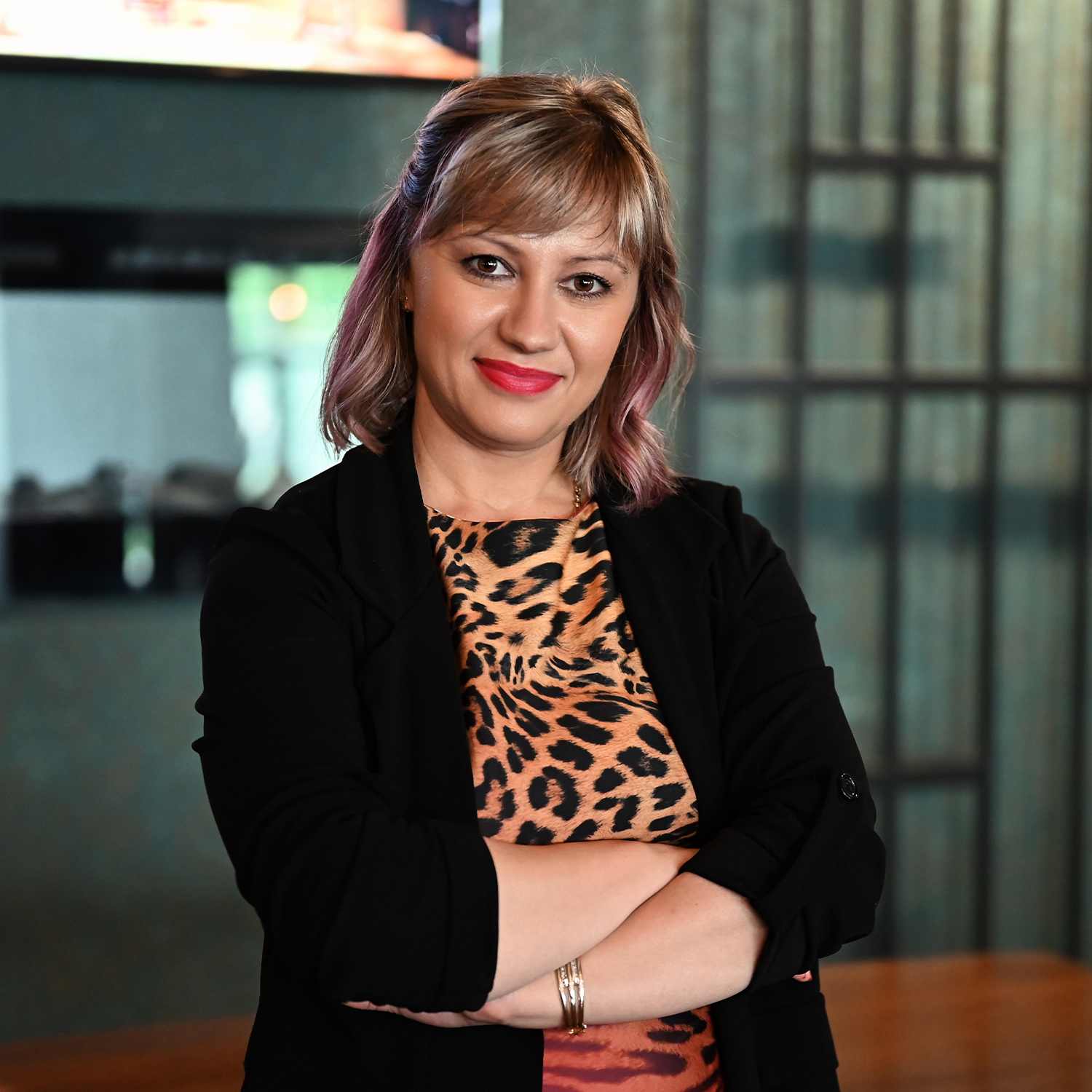
Liljana Jonoski is the Executive Director of Rural Coalition, a national civil society network in North Macedonia, and a PhD candidate in Legal Sciences at the Faculty of Law, University “St. Kliment Ohridski” – Bitola. She has over 18 years of professional experience in civil society, specializing in gender-responsive budgeting, public finance monitoring, local governance, sustainable local and rural development, climate resilience, and participatory policymaking. Throughout her career, Liljana has led and coordinated numerous national and international initiatives promoting Gender Responsive Budgeting (GRB) at both local and national levels. Her work has focused on integrating gender perspectives into municipal planning and budgeting, conducting gender analyses of public policies and local budgets, developing gender-responsive local development and environmental protection programmes, and strengthening the capacities of local governments and civil society organizations to implement gender-responsive public finance practices. She has extensive experience in monitoring public expenditures from a gender equality perspective, while in recent years her work has increasingly connected gender-responsive budgeting with climate action and environmental governance.
“I am particularly committed to building stronger links between civil society, academia, and public institutions, ensuring that the Network remains an influential platform for learning, collaboration, and policy impact.”
IVANA PETRISKOVÁ
Macedonia
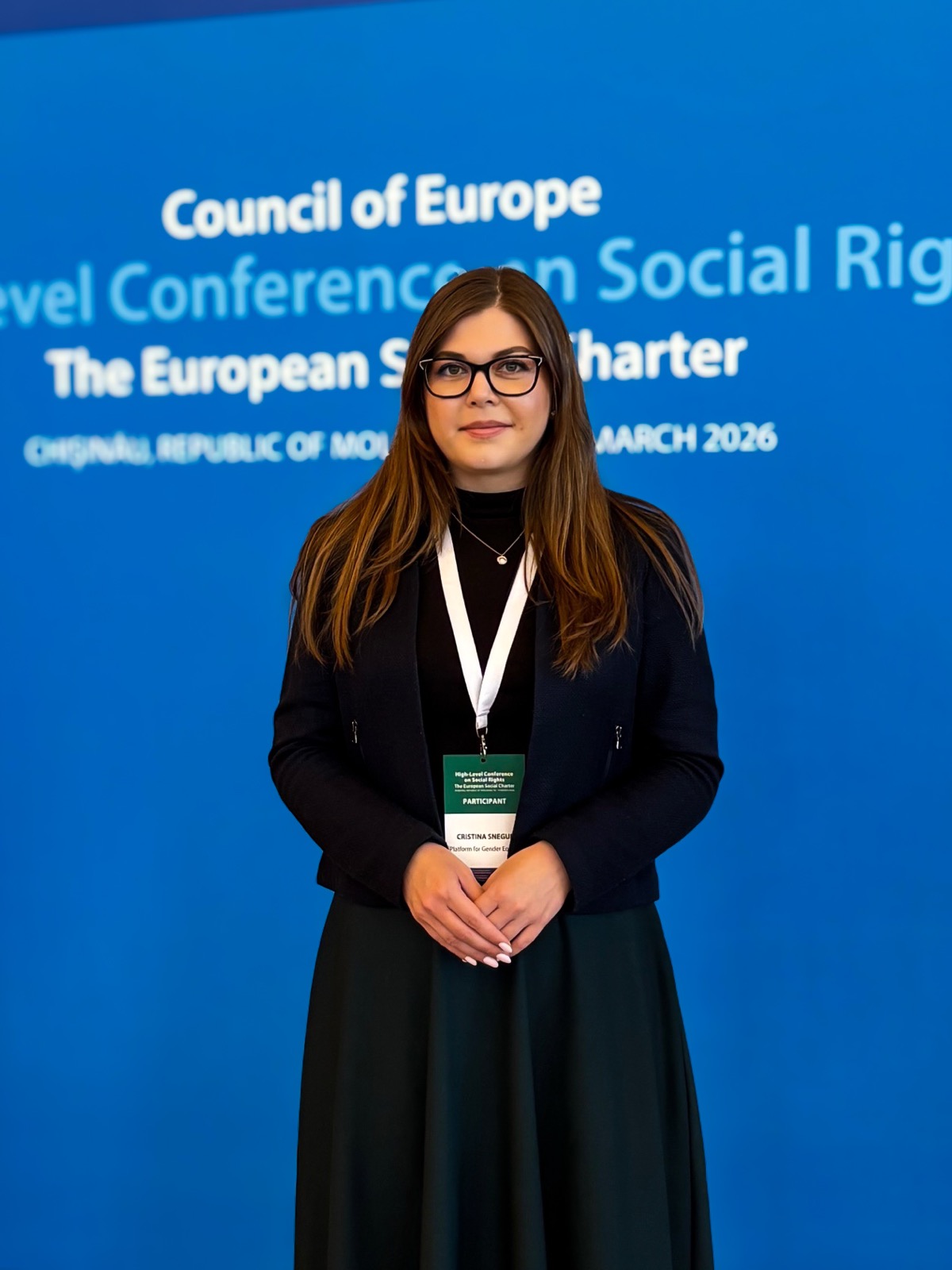
CRISTINA SNEGUR
Moldova
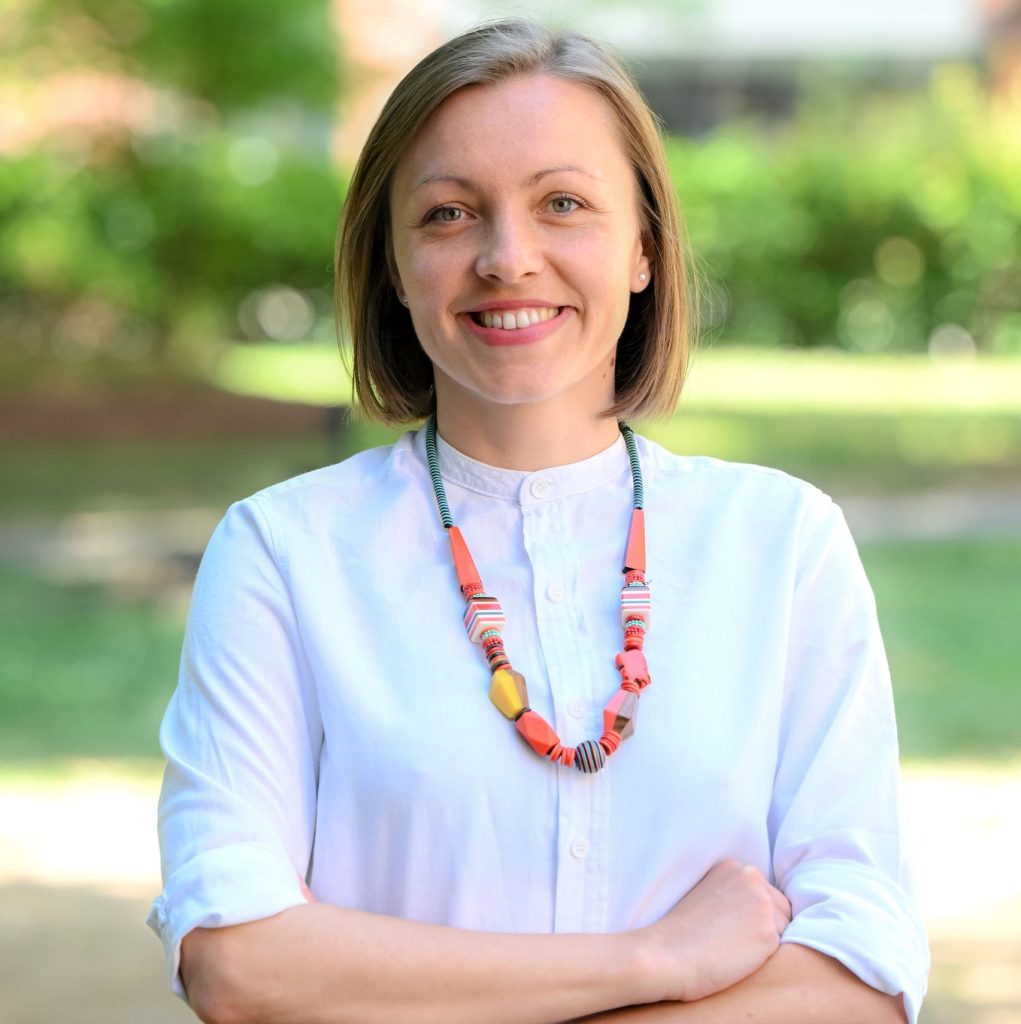
Cristina Snegur – a human rights lawyer and gender equality advocate based in Moldova, currently serving as Chair of the Platform for Gender Equality. I hold an LL.M. in International Human Rights Law from Lund University and an M.A. in International Law and Human Rights from Tartu University, with research focused on gender-based violence and international human rights standards. In my advocacy roles, I worked directly on national policy and legislative processes, including contributing to Moldova’s Shadow Report on CEDAW implementation, advocating to preserve the independence of the National Agency for Prevention and Combating of Violence Against Women during a central government reform, and serving on the Expert Council to the Parliamentary Human Rights Commission, where I asses the impact of legislation on citizens. My work with Amnesty International Moldova and UN Women-supported consultations has further grounded me in translating grassroots and civil society input into policy recommendations for national authorities. This combination of legal expertise, direct engagement with state budget and institutional reform processes, and sustained gender equality advocacy make me a good fit to bring a rights-based and accountability-focused lens to gender-responsive budgeting work.
“I bring a strong network across women’s rights organizations, government bodies, and international human rights mechanisms, along with legal and policy analysis skills that can support GBWN’s watchdog function.”
DANIELA RAILEANU
Moldova

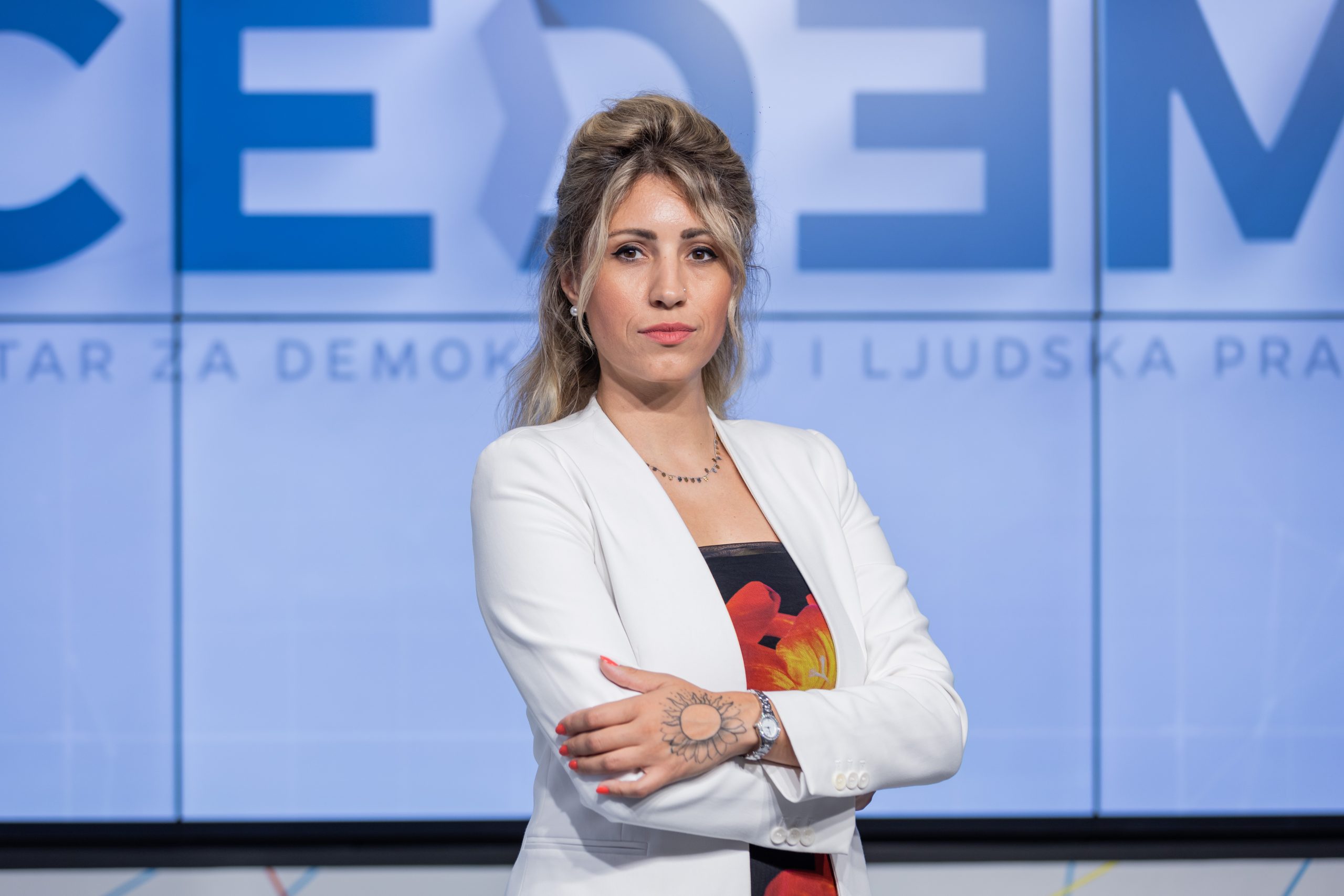
NEVENKA VUKSANOVIC
Montenegro
Nevenka Vuksanović is the Director of the NGO CEDEM (Centre for Democracy and Human Rights), where she leads the organisation’s strategic, programmatic and operational development in the areas of rule of law, democratic governance, human rights and anti-corruption. Under her leadership, CEDEM has continuously steered part of its work toward gender-related issues, including through the organisation’s membership in the regional Gender Budget Watchdog Network (GBWN), coordinated by the Centre for Research and Policy Making (CRPM), which connects civil society organisations across the region working on gender-responsive budgeting and public finance accountability. More recently, under her guidance CEDEM engaged for the first time with questions of political ecology — the intersection of environmental protection, social inequality and public policy — marking an expansion of the organisation’s programmatic focus. Within this framework, CEDEM incorporated the topic of environmental racism into its trainings for judiciary representatives on antigypsyism, recognising the disproportionate burden that environmental risks and poor waste management place on the Roma community.
“I have a strong motivation to contribute to the alleviation of gender injustice through gender budgeting that accompanies especially the financing of climate change resilience.”
SLAVICA STRIKOVIC
Montenegro
Slavica Striković is an expert on gender equality and gender-responsive budgeting in Montenegro, with many years of experience in the field of public policy, education and civil society work. Since its establishment in 2000, she has been employed by the NGO Ženska akcija, where she serves as the Executive Director. She is a certified trainer for gender-responsive budgeting (UNIFEM) and has been conducting trainings for state institutions, local governments and civil society organizations for years. She is particularly recognized as one of the leading experts on the introduction of gender-responsive budgeting in Montenegro. She has led numerous trainings for the Parliament of Montenegro, ministries, municipalities and international organizations, including projects supported by the OSCE and the UN. She is also the author and co-author of analyses, research and recommendations for the improvement of gender-responsive public finances and policies.
“Decades of my work in GRB, perseverance in the fight for gender equality and women’s solidarity are my “identity card”.
ANA AĆIMOV
Serbia
JELENA RUŽIĆ
Serbia