Climate change disproportionately affects vulnerable communities, with women often bearing the heaviest socioeconomic burdens due to traditional gender roles and limited access to decision-making. The fundamental issue was that local governance historically lacked the capacity and tools for gender-responsive budgeting. Consequently, major climate strategies, such as the Sustainable Energy and Climate Action Plan (SECAP), were often developed without considering the distinct needs of women and men.
The Municipality of Bogdanci is particularly vulnerable to the impacts of climate change, experiencing extreme heatwaves, extended droughts, and an increasing number of fires. While these climate challenges negatively impact the health and quality of life in the entire local community, the burdens are disproportionately felt by vulnerable groups, including women, children, people with disabilities, and the elderly. In 2014, Bogdanci developed a Climate Change Strategy valid until 2020, but the unequal representation of women in decision-making processes prevented them from fully contributing to environmental policy planning. There was a pressing need to revise the strategy because awareness of climate change and its gendered impacts remained low among both decision-makers and citizens.
The lack of gender-responsive approaches in climate and environmental initiatives in the Municipality of Memaliaj was a primary problem. Women were largely underrepresented in decision-making processes and economic opportunities, particularly in tourism, and agriculture. Most women held caregiving roles, and the local budget did not consider gender-specific needs in climate-related investments. As climate change exacerbates inequalities, the exclusion of women from decision-making increased the risk of further marginalization.
Emergency teams, task forces, and crisis management plans had been drafted for years, but women’s voices were rarely included. As a result, the systems guiding local responses often failed to account for the unique challenges women face in times of crisis. Association for Social Innovation and Sustainable Development RADAR implemented a successful project “Involvement of the gender perspective in planning and management of emergency and crisis situations at the local level”. The areas of intervention were small to mid-sized municipalities in North Macedonia including Berovo, Kavadarci, Kocani and additionally in minicipality of Karposh, in Skopje
When distributing the subsidies, the municipality does not take into account the gender component and the equal distribution of funds. This is a Compilation of the GRB successes stories on the local level in different municipalities in Macedonia. The street lighting program in Municipality of Bogdanci for 2022; Using the GRB tools and rising awareness about the consultation process in Municipality of Probishtip; Social protection of persons with disabilities in the Municipality of Tearce; Velo subsidies for all residents in Kocani Municipality

The objective of the menstrual hygiene advocacy is to establish equality of women and men in access to hygiene as part of the core of human rights by reduction of the menstrual hygiene products’ tax rate. Using GRB tools we improved the access to MHM products for women and girls thus contributing to the right to safe water, sanitation and hygiene are the basis for achieving good health and gender equality. GBWN performed an analysis in which we attempted to identify state funds allocated for SOS helplines in accordance with their obligations. Data was collected by GBWN members in the respective countries from the responsible line ministries (usually ministries for social policy or welfare) and from WCSOs and women’s networks that provide SOS helpline services. Data were compared with GREVIO findings. From the perspective of GRB watchdogging, an important question is the availability of data and possibility of determining the amounts allocated for combating gender-based violence. Limited resources impact the quality and comprehensives of service.
GBWN performed an analysis in which we attempted to identify state funds allocated for SOS helplines in accordance with their obligations. Data was collected by GBWN members in the respective countries from the responsible line ministries (usually ministries for social policy or welfare) and from WCSOs and women’s networks that provide SOS helpline services. Data were compared with GREVIO findings. From the perspective of GRB watchdogging, an important question is the availability of data and possibility of determining the amounts allocated for combating gender-based violence. Limited resources impact the quality and comprehensives of service.
When distributing the subsidies, the municipality does not take into account the gender component and the equal distribution of funds. This is a Compilation of the GRB successes stories on the local level in different municipalities in Macedonia. The street lighting program in Municipality of Bogdanci for 2022; Using the GRB tools and rising awareness about the consultation process in Municipality of Probishtip; Social protection of persons with disabilities in the Municipality of Tearce; Velo subsidies for all residents in Kocani Municipality
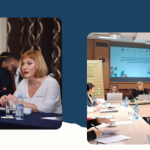
Key factors to success of CSOs using GRB tools? Vocalizing the issues during significant international days such as the International Day on Menstrual Hygiene – 28th of May, International Women's Day, International Day of the Girl Child and etc. Transferring the collected information from the ground to the decision makers, Proficient costing analysis/ gender cost-effectiveness analysis, Comprehensive advocacy campaign designed and implemented (using different communication channels), Meetings with MPs and decision makers (the Ministry of Finance, Agriculture, Health, Education), CSO involvement in active discussions on effective use of state subsidies to promote GRB within political parties various stakeholders, Building strong networks with other CSOs, government agencies, and international organizations to support their advocacy efforts.