THE FORUM MANDATE: BUDGETING FOR EQUALITY
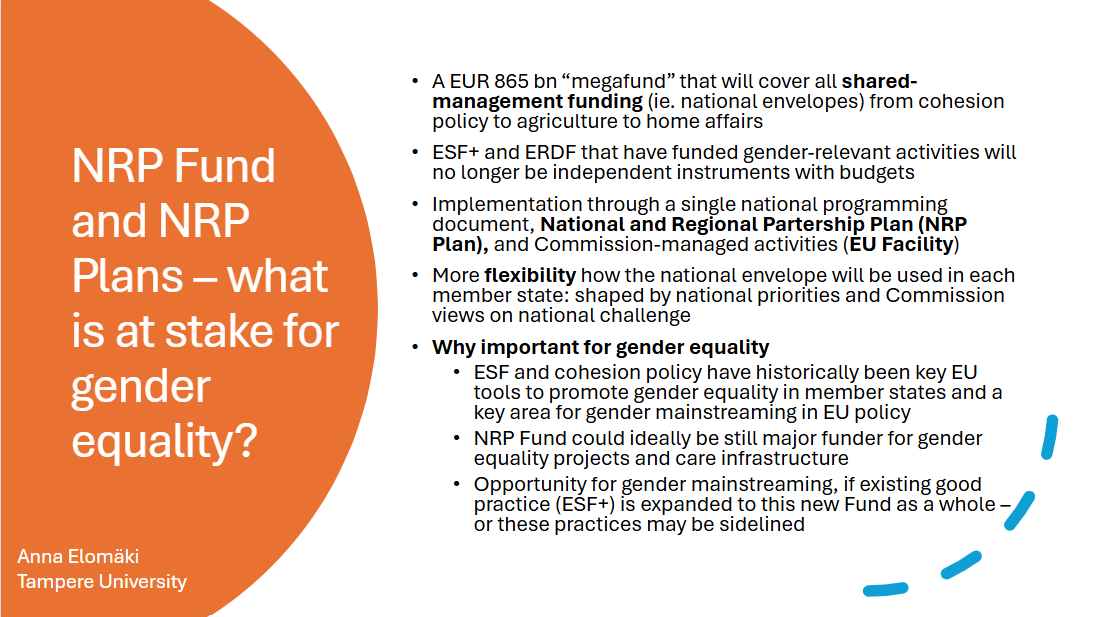
Our objective is to build solid foundations for the next EU budget (MFF 2028-2034) to effectively promote gender equality, women’s rights, and social investments. We are actively sharing evidence-based perspectives with European institutions to ensure legislative proposals translate into real-world impact.
We aim to foster inclusive cooperation between civil society and global partners to influence the ongoing negotiation process. By building these partnerships, we are defining the path forward for the European Gender Budgeting Network, ensuring public finance remains a tool for equity rather than exclusion.
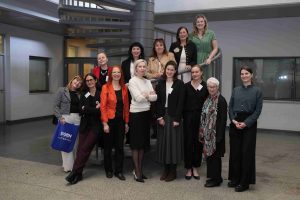
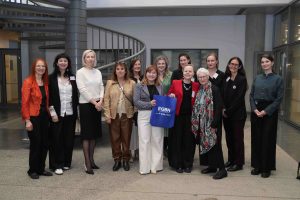
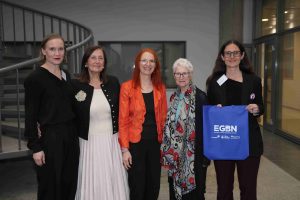
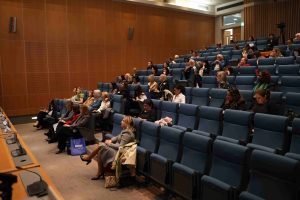
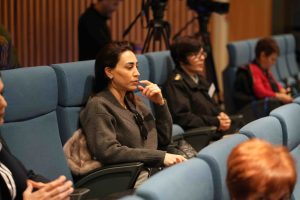
From 10–11 December in Skopje, the Gender Budget Watchdog Network convened over 90 participants from across Europe for the International GRB Forum “Going Glocal 2.0: Sustainable Gender-Responsive Futures.” The Forum created a dynamic space where global expertise met local realities, with a strong focus on climate financing through a gender-responsive lens.
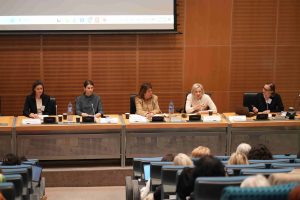
From the very first day, discussions were driven by some of the region’s most committed voices advancing gender-responsive public finance. Government representatives, gender-equality practitioners, academics, and civil society leaders exchanged evidence-based insights on how civil society can strengthen accountability and transparency in public spending, and how GRB can serve as a transformative tool for equity, sustainability, and good governance. A clear message emerged: smart, evidence-based public finance is not a choice — it is an obligation.
The second day deepened the conversation, showcasing how gender-responsive tools can improve climate finance monitoring and support more just and inclusive futures. Panels explored feminist urbanism and its role in building sustainable communities, the mobilization of private capital for social and environmental impact, and the importance of embedding gender perspectives across financial and policy frameworks. Moldova stood out as a leading example, having successfully integrated gender indicators into more than 70% of its agricultural programs as a major achievement in institutionalizing GRB.
Discussions on mobility highlighted another critical dimension of inequality. The panel on transport poverty revealed how women, youth, rural communities, and persons with disabilities continue to face unsafe environments, unreliable public transport, and inaccessible infrastructure. Despite significant investments, many mobility strategies remain gender-blind. Participants emphasized that GRB offers a practical pathway to design safer, more accessible, and more equitable transport systems that respond to real-life needs.
Throughout the GRB Forum, participants were invited to look ahead and reflect on a shared question: What would our region look like 15 years from now if justice, clean air, and true gender equality guided every decision we make? The vision that emerged was one of communities free from pollution, where women confidently lead as decision-makers, engineers, scientists, and innovators shaping the green transition.
By opening an honest dialogue on the layered barriers women face in green jobs, climate finance, and environmental governance, the GRB Forum reaffirmed the transformative potential of GRB. “Going Glocal 2.0” not only connected sectors and countries, but it strengthened a collective commitment to ensure that public finances work for people, planet, and equality.