Gender Budgeting in the New EU Multiannual Financial Framework

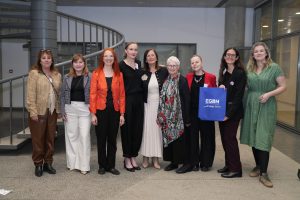
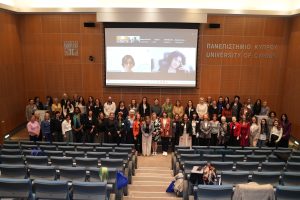
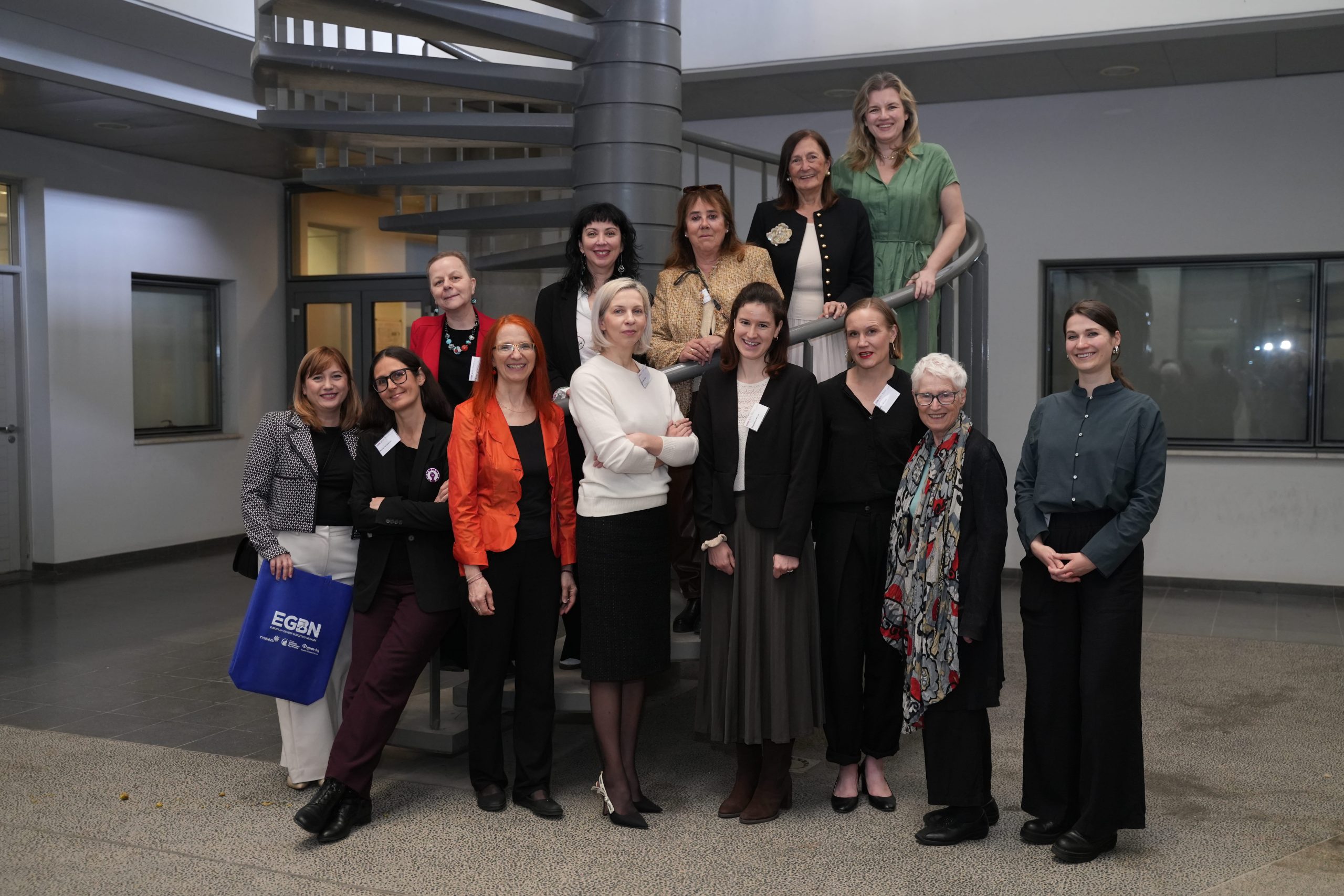
Experts, EU and Member State officials, civil society representatives and activists gathered in Nicosia from 25th to 28th of March 2026, under the patronage of the Cyprus Presidency of the Council of the EU 2026 to discuss “Gender Budgeting in the New EU Multiannual Financial Framework: Making Budgets Work for Gender Equality and Women’s Human Rights”.

As the EU prepares its next 7-year budget, this is the time to call for a budget that will shape present and future generations. We must invest in what truly matters: equality, care, inclusion, and human rights! Now is the time to ensure equality is at the centre of future EU expenditures and to use gender-responsive budgeting as a tool towards furthering equality through clear objectives, indicators and earmarked allocations!

The discussions in the room evidenced the need for concretely enhancing proposals for the next EU budget, including establishing clear gender equality obligations, in the form of gender equality objectives in future funding programmes and dedicated, earmarked funding for gender equality and addressing gender-based violence.

Now is our unique window of opportunity to join forces to make the next EU budget work for gender equality and a prosperous, peaceful future!
GBWN members shared our research, expertise and recommendations for improving gender-responsive budgeting in the European Union’s forthcoming new budget, the Multiannual Financial Framework.

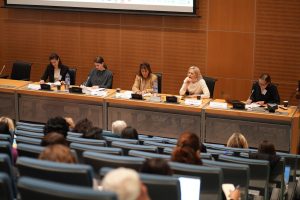
Panelists highlighted:
  • the urgent need to make budgets people-centered, based on analyses of need, more transparent regarding expenditures and their impacts,
  • amid conflict, such as Ukraine, gender-oriented budgeting is crucial to ensure funds reach those most in need,
  • in all contexts, civil society plays a crucial role in continuous monitoring and supporting reforms, which requires political and financial support.
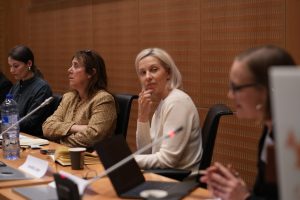
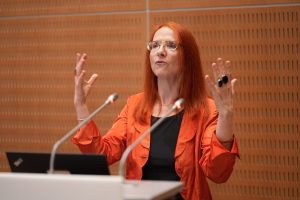
GBWN panelists included: Marija Risteska (Executive Director, Center for Research and Policy Making, North Macedonia), Mirela Arqimandriti (Executive Director, Gender Alliance for Development Center (GADC), Albania) and Nicole Farnsworth (Deputy Director and Lead Researcher,Kosova Women’s Network, Kosovo).
Additionally the inputs were given by Oksana Tsuipa (Associate Professor, Vasyl Stefanyk Carpathian National University, Ukraine) in this panel.
The discussion took place during a conference on Gender Budgeting in the New EU Multiannual Financial Framework in Cyprus in collaboration with UN Women, European Women’s Lobby, Women’s Budget Group, Πανεπιστήμιο Κύπρου | University Of Cyprus , United Nations Development Programme – UNDP
Invest in What Matters for People! This was a recurring theme at the conference. Participants highlighted concerns that proposals for the next EU long-term budget risk sidelining gender equality and social priorities. EU funding priorities related to competitiveness and security undermine social and gender equality objectives.
The main conference outcome is the Nicosia Declaration, calling on EU institutions to prioritise funding for gender equality, women’s rights, care and social priorities, include explicit gender equality objectives in EU funding programmes, and integrate gender equality across all stages of the EU budget cycle.
Academics, experts, policymakers and activists are launching a petition calling on EU institutions and national governments to ensure the next EU budget works for gender equality and people’s wellbeing!
Sign the petition here! 👉 https://form.jotform.com/260853624523356 
Facebook
Twitter
LinkedIn

You may be interested in

The main purpose of the mid-term evaluation is to help CRPM and the local partners to