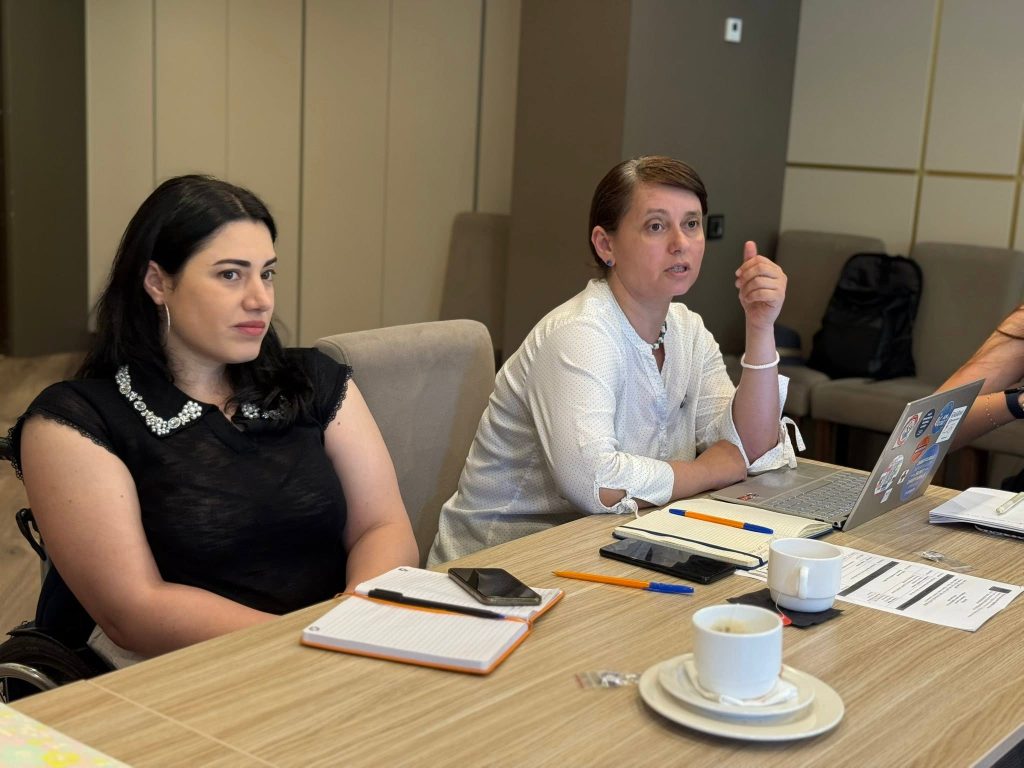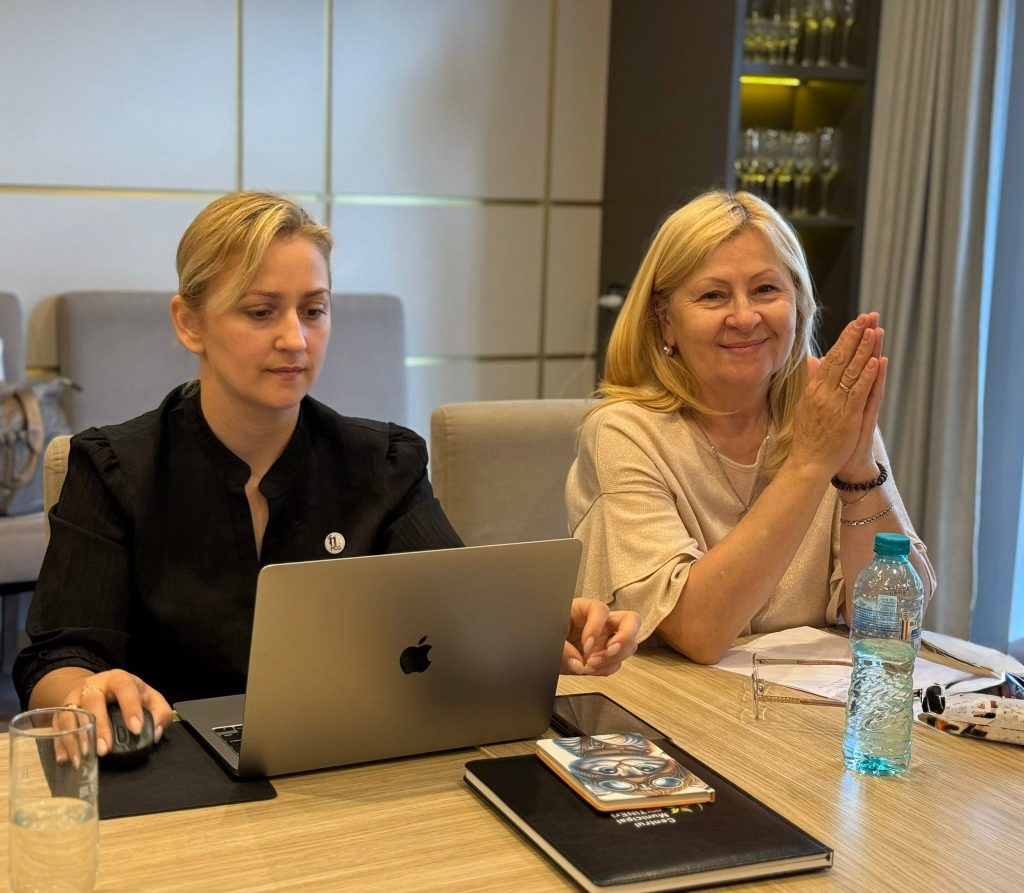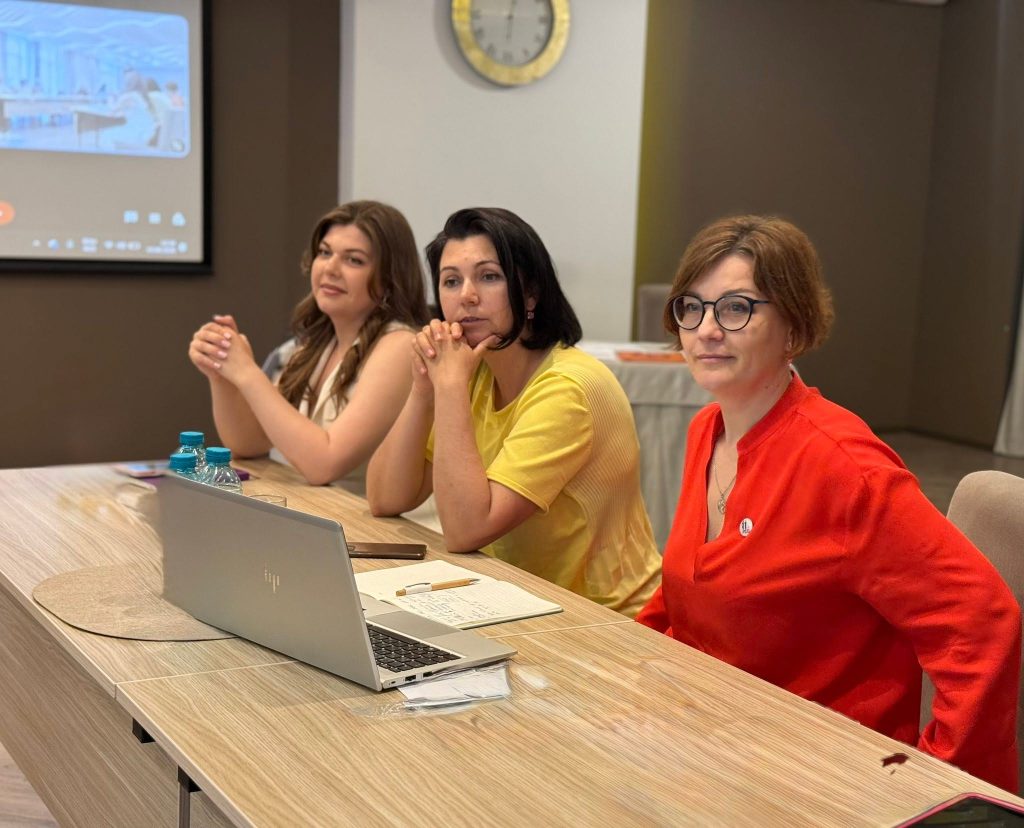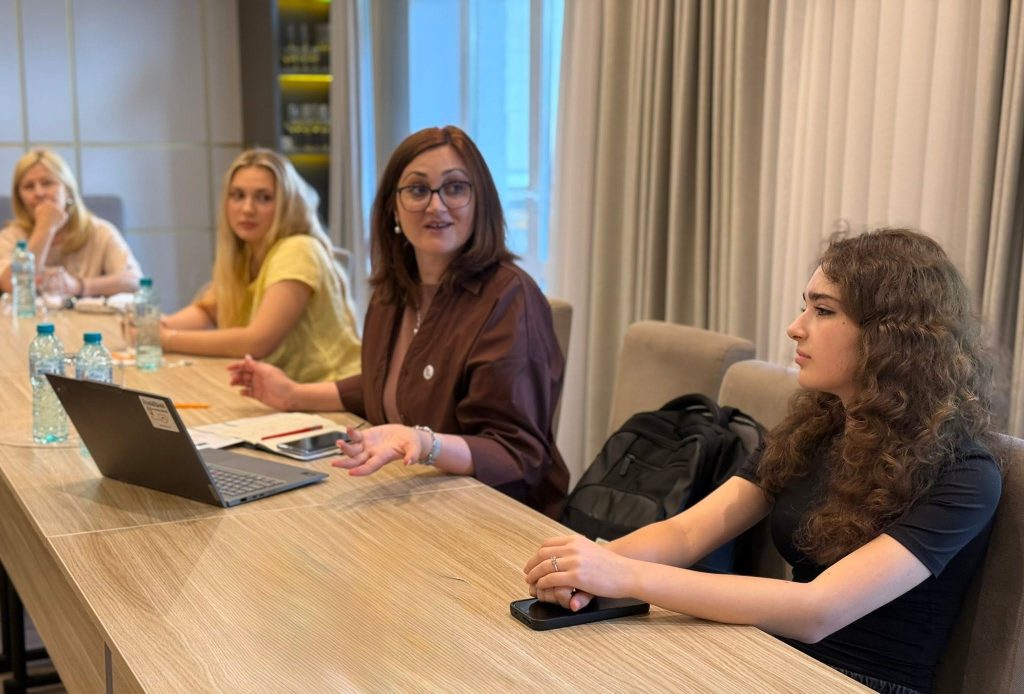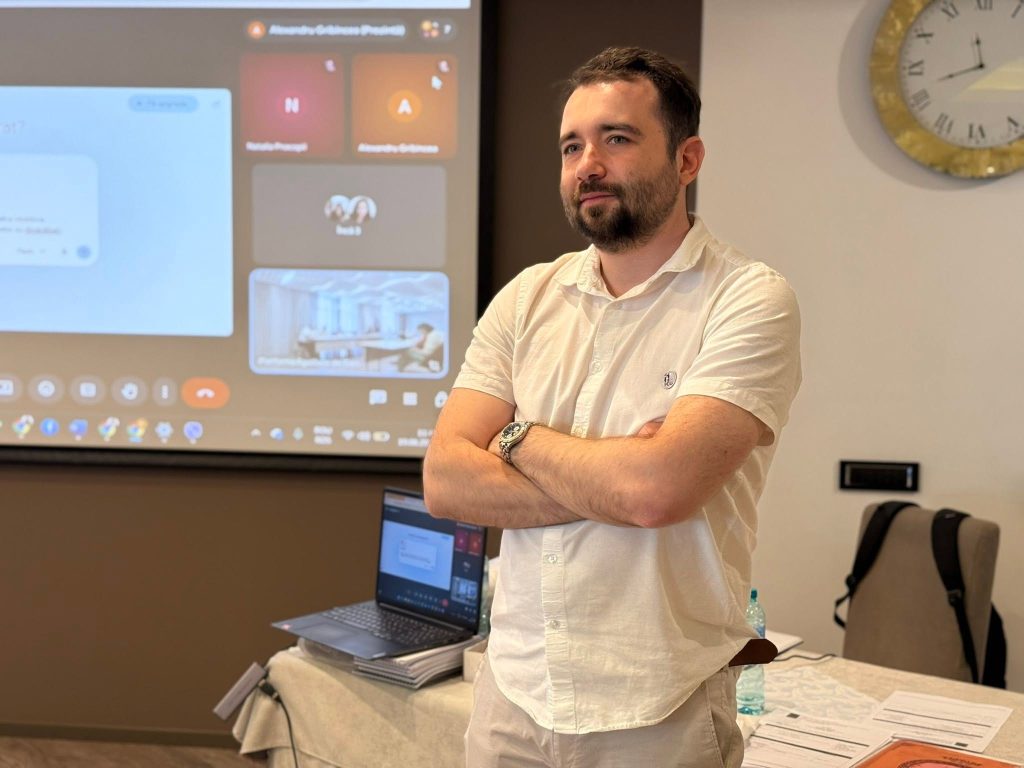
Keystone Moldova, within the GBWN project, brought together civil society organizations for a practical and innovative workshop on Gender-Responsive Budgeting (GRB) and advocacy for inclusive public policies. The session was facilitated by Moldovan GRB Hub’s project manager, Alexandru Gribincea.
The starting point was a question that comes up often in NGO offices: AI is talked about everywhere, but what can it really do for budget analysis and advocacy? Instead of talking about AI in abstract terms, the workshop looked at where it fits into the concrete tasks that organizations deal with every week, from reading long budget documents to preparing materials for decision-makers.
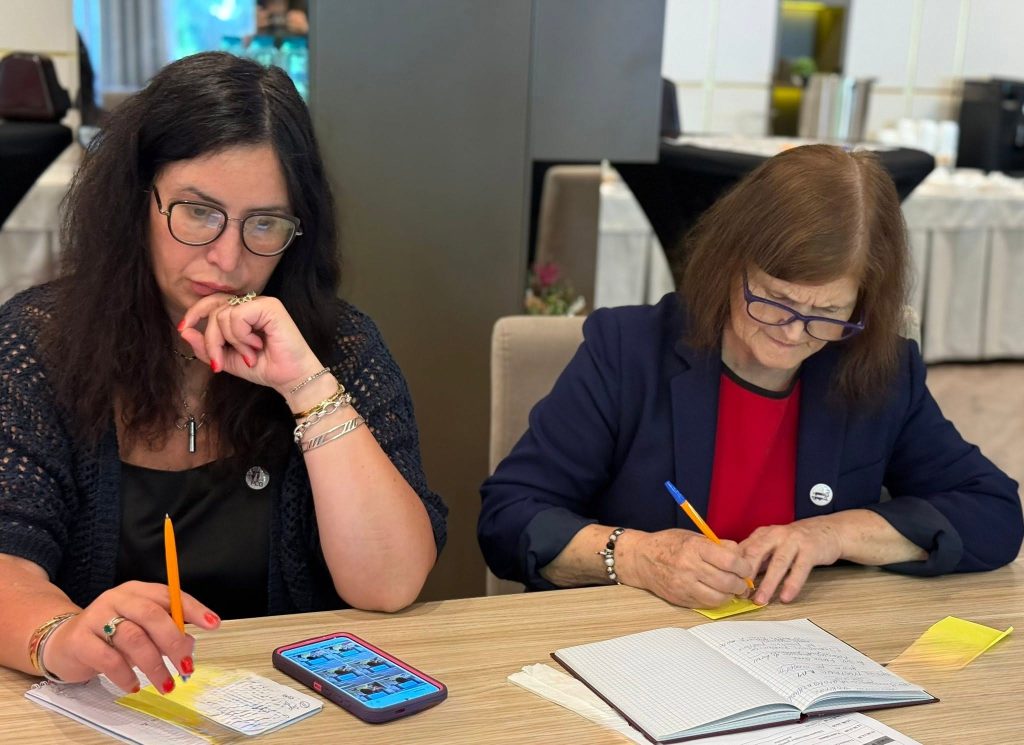
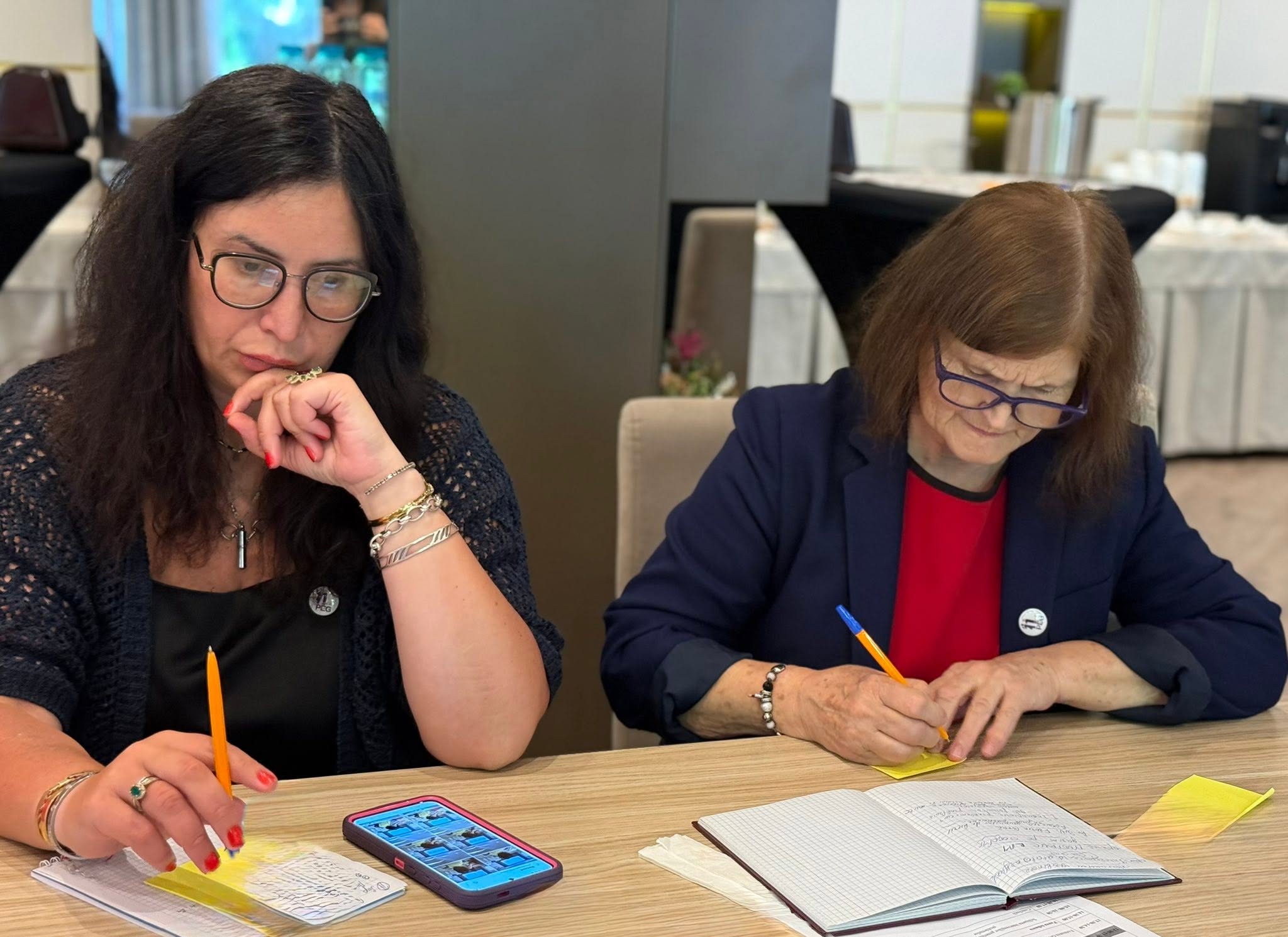
The format was hands-on. Participants tried out the tools themselves and saw both their strengths and their limits.
- Analyzing public budgets. Local and national budgets often come as long, dense files that take hours to go through. Participants saw how AI can speed up the reading and summarizing of large volumes of data, and how it can help spot gaps and inequalities, for example in how money is allocated for women and men, or for vulnerable groups who are easy to overlook in the numbers.
- Developing advocacy materials. A good argument still depends on the expertise of the organization, but the writing around it can take a lot of time. The exercises showed how AI can help structure arguments, produce first drafts faster, and turn findings into clear, data-based recommendations that are ready to be refined and used.
- Producing visuals. Numbers rarely convince on their own. Participants worked on turning figures into simple charts and easy-to-read materials, the kind that hold attention in a meeting with public authorities or in a post aimed at a wider audience.
The main takeaway
The central message stayed the same throughout the session: AI does not replace the knowledge and judgment of organizations, it supports them. The quality of the analysis, the political reading of the budget, and the relationship with communities still depend on people.
What changes is the speed and the effort. When these tools are used well, advocacy becomes faster to prepare, better backed by evidence, and easier to follow for the people it is meant to reach. In the end, this work has one practical goal: public services and budgets that are more transparent, more fair, and more accessible for everyone.